Which Shingle Roof Type Offers The Best Protection?
Every home relies on a strong roof to guard against harsh weather and protect everything inside, making the choice of roofing material a key decision for long-term safety and comfort. Shingle roofs remain a popular choice among homeowners due to their wide range of options, each offering different benefits in terms of strength, cost, and lifespan. Selecting the best type depends on various factors, including climate, home structure, and future repair needs. Understanding how each shingle performs can help you choose the right one that offers maximum protection without overspending.
Asphalt Shingles Are Affordable and Easy to Install
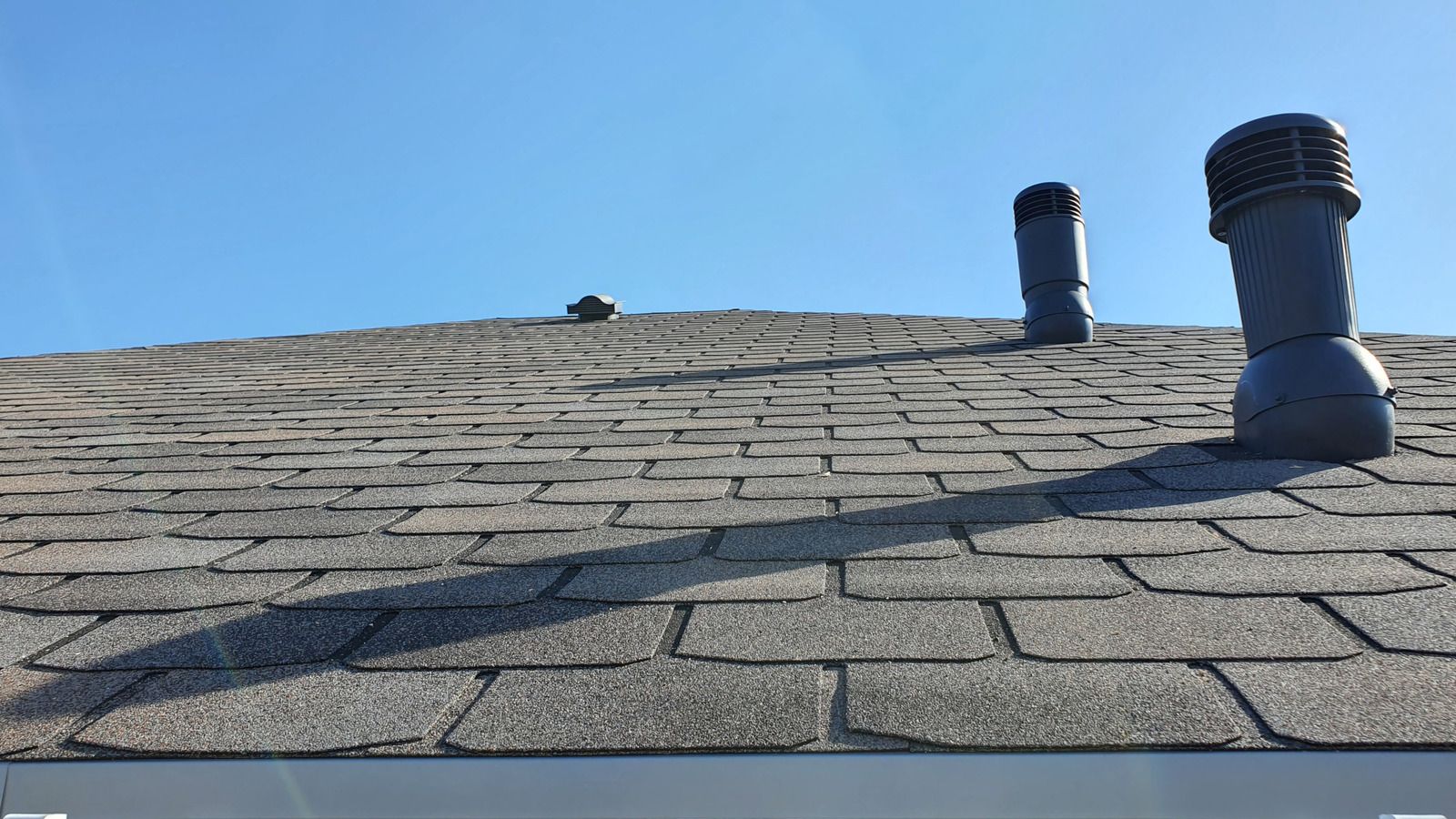
Asphalt shingles are among the most popular roofing options nationwide. Their low cost and simple installation make them attractive for homeowners working with a tight budget. These shingles can handle moderate rain and sunlight but may fail under strong winds or heavy snowfall.
Typically, asphalt roofs have a lifespan of 15 to 20 years before they require replacement. They provide basic protection but may not offer strong resistance during extreme weather. For homeowners living in stable climates, asphalt shingles work well without adding major expenses.
Architectural Shingles Add Durability and Style
Architectural shingles not only offer a more attractive appearance but also tend to outlast standard asphalt shingles. Their multi-layered design offers more strength, allowing them to resist stronger winds, heavy rains, and extreme heat. With proper maintenance, many can endure for as long as thirty years. They also add depth and texture, giving your roof a bold and attractive look.
While these shingles come at a higher cost, they provide enhanced protection and prove to be a better long-term investment. For homeowners looking for stronger coverage without jumping to premium materials, architectural shingles strike the right balance.
Metal Shingles Offer Excellent Weather Resistance
Metal shingles provide some of the strongest protection available among shingle types. They shed rain and snow quickly, resist fire, and reflect heat from the sun, helping your home stay cool in hot seasons. Metal shingles also stand firm against wind and moisture, reducing long-term damage risks.
While the initial price is higher, metal roofs often last more than fifty years, making them a smart long-term investment. In areas where storms, heat, or snowfall hit hard, metal shingles offer steady performance and peace of mind.
Slate Shingles Provide Unmatched Longevity
Slate shingles, made from natural stone, can last over a hundred years and offer top-level protection from fire, water, and harsh weather. Their strength and durability make them ideal for homeowners looking for a long-term roofing solution.
However, slate shingles are very heavy and require a strong roof frame for support. Installation also costs more due to the added labor and expertise required. Still, for homes that can handle the weight, slate shingles offer lasting performance and a classic look that never fades with time.
Choose Based on Climate and Long-Term Goals
Every type of shingle comes with its own set of advantages and disadvantages. Asphalt suits homes in mild climates with fewer weather challenges. Architectural shingles provide stronger defense and better appearance without a huge cost jump. Metal shingles work best in areas with extreme weather, offering strength and energy savings. Slate is perfect for homeowners looking for a lasting roofing option that requires little maintenance. Your final decision should match your location, budget, and how long you plan to stay in the home.
Rocco's All Type Roofing
provides trusted
shingle roofing services across Brooklyn, Manhattan, Staten Island, Queens, NY, and nearby areas, helping homeowners choose durable roofing that protects their homes year after year.