DIY Roof Repairs: What You Can and Can’t Do
Maintaining a sturdy, reliable roof is essential for protecting any home or building from the elements. While professional roofing services are always recommended for major repairs, many homeowners often consider handling minor issues themselves to save time and money. The idea of DIY roof repairs can seem appealing, especially with the abundance of online tutorials and home improvement guides available today. However, not all roofing tasks are suitable for amateur intervention, and attempting complex repairs without proper knowledge or equipment can lead to further damage, safety hazards, or voided warranties. Understanding the boundaries of DIY roofing is critical for anyone looking to take a hands-on approach.
In this guide, we explore what homeowners can realistically handle on their own and which tasks should be left to certified roofing professionals. From small leaks and shingle replacement to structural repairs and roof inspections, we’ll break down practical strategies, common pitfalls, and safety considerations. By distinguishing manageable projects from those requiring expert intervention, homeowners can make informed decisions that protect their investment, ensure safety, and maintain the longevity of their roofs. Whether you’re a seasoned DIYer or a first-time homeowner, this guide offers actionable insights for responsible, effective roof maintenance.
Types of Roofing Materials
Cracked, Curled, or Missing Shingles
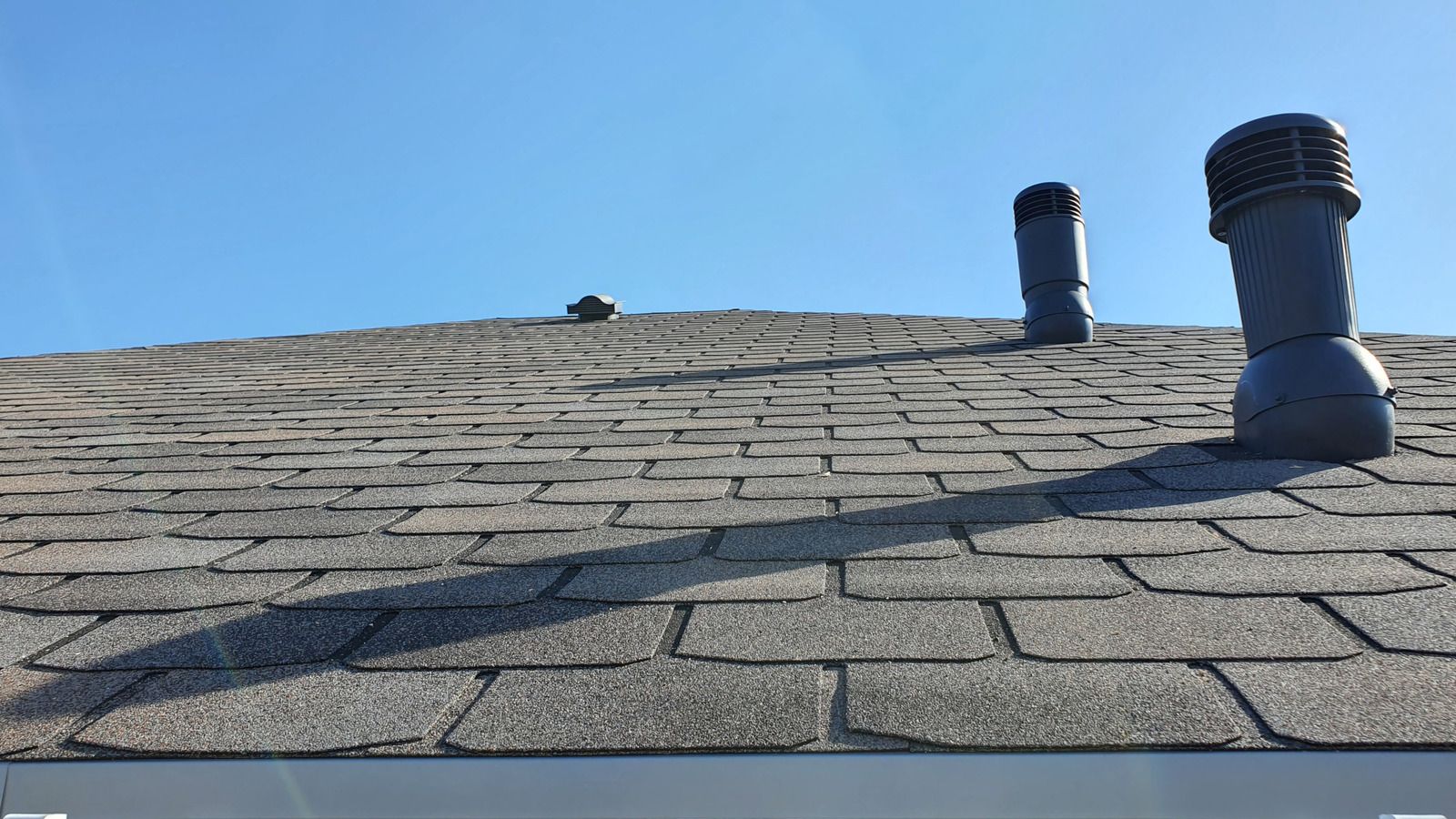
Different roofing materials have unique characteristics, which directly influence which repairs are feasible for a DIY approach. Asphalt shingles are the most common in residential properties due to their affordability and ease of installation. Minor repairs, such as replacing a few damaged shingles, are generally achievable for homeowners with basic tools. On the other hand, metal, slate, or tile roofs require specialized knowledge and tools, making DIY intervention riskier. Understanding your roofing material is the first step in evaluating which repairs you can handle safely.
Common Roof Problems
The most frequent issues homeowners face include missing or cracked shingles, minor leaks, clogged gutters, and damaged flashing. These problems often present early warning signs such as water stains on ceilings, curling shingles, or debris accumulation in gutters. Early detection allows for timely maintenance, reducing the likelihood of costly structural damage. For DIYers, addressing minor shingle damage, gutter cleaning, and small patch repairs is typically manageable, provided safety precautions are observed.
DIY Repairs You Can Safely Attempt
Replacing Damaged Shingles
One of the most approachable DIY roofing tasks is replacing individual asphalt shingles. This requires removing the damaged shingle, lifting adjacent shingles carefully, applying roofing cement, and sliding in a new shingle. While straightforward in principle, precision is essential to avoid creating leaks or misalignments that can worsen over time. Homeowners should ensure they have ladders, roofing nails, and sealant appropriate for their roofing type.
Minor Leak Repairs
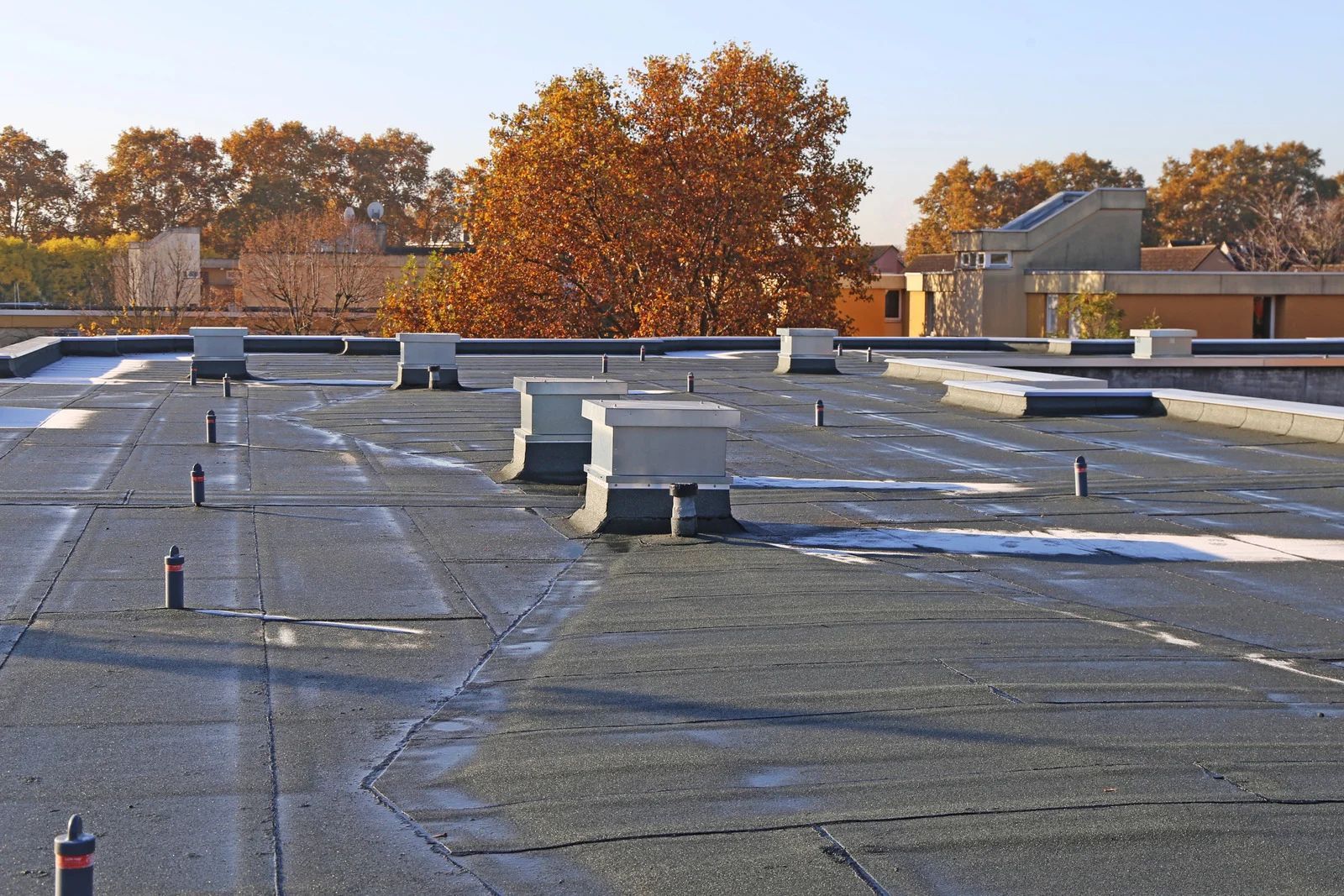
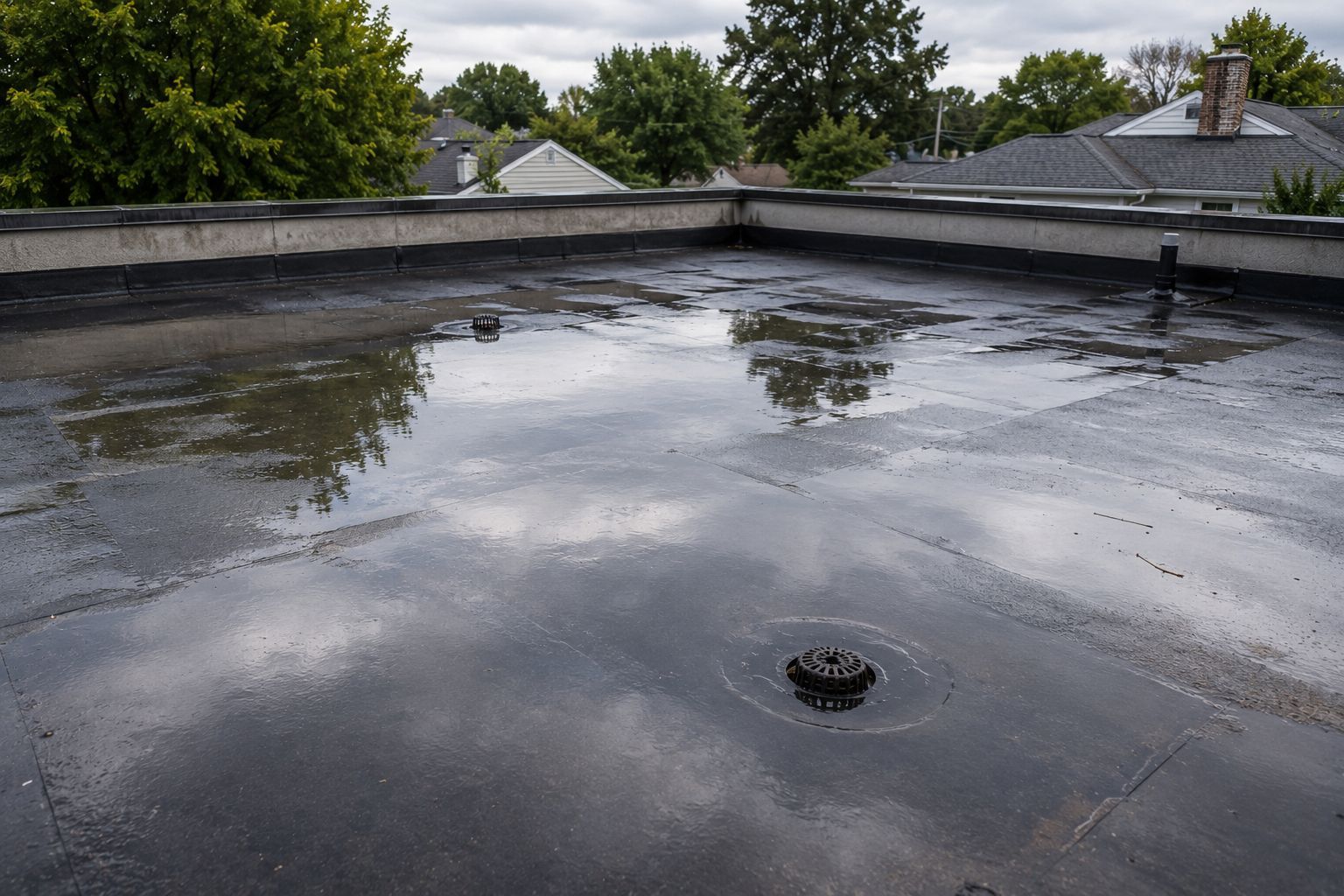
Small leaks around vents, chimneys, or skylights can sometimes be sealed using roofing cement or caulk. Identifying the exact source of the leak is crucial; temporary fixes can stop water infiltration until professional repairs are possible. For flat roofs, minor cracks can be patched with self-adhesive membrane or bitumen products. Always ensure the roof surface is dry and clean before applying sealants to maximize effectiveness.
Gutter Cleaning and Maintenance
While not a direct roof repair, maintaining gutters is integral to roof longevity. Clogged gutters cause water overflow, which can damage shingles and fascia boards. DIY gutter cleaning involves removing debris, flushing downspouts with water, and inspecting for minor damages. This task is safe for most homeowners when using proper ladders, gloves, and protective eyewear.
Flashing Touch-Ups
Flashing around chimneys, vents, and roof edges protects the roof from water intrusion. Small adjustments, like sealing gaps with roofing cement or replacing a loose flashing piece, are often within a DIYer’s capability. However, improper flashing repairs can exacerbate leaks, making attention to detail and precision critical.
Repairs That Require Professional Attention
Structural Damage and Sagging Roofs
Any indication of structural damage, such as sagging areas or uneven decking, is a clear sign to call a professional. These issues compromise the roof’s integrity and pose serious safety risks. Attempting to fix structural problems without expertise can lead to collapse or injury. Certified roofers have the tools, materials, and engineering knowledge required to restore structural soundness safely.
Extensive Water Damage and Leaks
Leaking roofs that have caused extensive water damage or mold growth demand professional evaluation. Water infiltration can affect insulation, electrical systems, and the underlying structure, requiring advanced repair techniques beyond simple sealants or shingle replacement. Experts can perform moisture assessments, replace affected materials, and prevent recurring problems with proper ventilation and waterproofing solutions.
Roof Replacement and Large-Scale Repairs
When multiple shingles are damaged, the underlayment is compromised, or the roof is nearing the end of its lifespan, a full roof replacement is necessary. This process involves removing old materials, inspecting structural elements, installing new underlayment, and applying roofing materials uniformly. Due to the scale and safety considerations, DIY replacement is impractical and dangerous without professional training.
Complex Roofing Materials
Metal roofs, slate, and clay tile systems require specialized knowledge and equipment for repairs. Incorrect handling can result in broken tiles, leaks, or corrosion. Professionals ensure precise installation or repair, maintain warranty compliance, and reduce the risk of costly mistakes.
Safety Considerations for DIY Roof Repairs
Ladder and Fall Safety
Falls are the leading cause of injuries during roof work. Homeowners should use ladders correctly, ensuring stable footing and proper angle placement.
Always have a spotter when possible, wear non-slip footwear, and avoid roof work during wet or windy conditions. Fall protection equipment such as harnesses or roof anchors is highly recommended, especially for steep or high-pitched roofs.
Protective Gear and Tools
Safety gloves, eye protection, and knee pads are essential for preventing injuries during shingles replacement or flashing repairs. Using the correct tools, such as roofing nail guns, pry bars, and caulking guns, reduces the likelihood of accidents and improves repair quality. Avoid improvising tools, which can lead to mistakes and injury.
Weather Considerations
Weather conditions significantly impact both safety and repair effectiveness. Attempting roof repairs in heavy rain, snow, or extreme heat increases the risk of falls and may prevent adhesives and sealants from curing properly. Schedule DIY projects during dry, calm weather for the best results.
5. Best Practices for Effective DIY Roofing
Accurate Assessment of Damage
Before beginning any repair, conduct a thorough inspection of the roof. Identify all areas of damage, including hidden spots that may not be immediately visible from the ground. Using binoculars or drone footage can enhance inspection accuracy while minimizing time spent on the roof.
Documenting and Measuring Repairs
Proper documentation, including photographs and measurements, helps ensure accurate material replacement. Measuring the size and pitch of the roof aids in cutting shingles or flashing to the correct dimensions, reducing waste and enhancing repair longevity.
Using Quality Materials
Selecting high-quality shingles, roofing cement, sealants, and underlayment ensures that repairs last longer and perform as intended. Budget-friendly alternatives may seem cost-effective initially but often fail sooner, leading to repeat repairs or professional intervention.
Regular Maintenance for Prevention
Routine inspections and maintenance extend roof life and reduce the need for emergency repairs. Clearing debris, trimming overhanging branches, checking flashing, and inspecting shingles at least twice a year help identify problems early. Preventive care is often safer, more cost-effective, and simpler than reactive repair.
Real-World Scenarios and Expert Insights
Scenario 2: Leaks Around a Chimney
Small leaks around a chimney flashing can often be repaired with roofing cement. However, if the leak persists, it may indicate flashing deterioration or underlying structural issues, highlighting the importance of knowing when to call a professional.
Scenario 2: Leaks Around a Chimney
Small leaks around a chimney flashing can often be repaired with roofing cement. However, if the leak persists, it may indicate flashing deterioration or underlying structural issues, highlighting the importance of knowing when to call a professional.
Scenario 3: Gutter Overflow Damage
Clogged gutters cause water to back up onto the roof, resulting in shingle rot and fascia damage. Regular gutter cleaning prevents this scenario, demonstrating how simple DIY maintenance can avert costly repairs.
Expert Tip: Safety First
Roofing professionals emphasize that no repair, regardless of size, justifies compromising safety. Using proper gear, respecting height hazards, and understanding weather implications are non-negotiable practices for any DIY project.
Expert Tip: Professional Consultation
Even for small repairs, a professional consultation can help determine whether DIY work is feasible. Many roofers provide affordable inspections that guide homeowners in deciding which projects they can safely tackle.
Reliable Roofing Professionals Ensuring Long-Lasting Protection
DIY roof repairs offer homeowners an opportunity to maintain their property, save money, and address minor issues promptly. Tasks such as replacing a few shingles, sealing minor leaks, cleaning gutters, and performing flashing touch-ups are generally manageable for individuals with basic tools, safety awareness, and attention to detail. However, structural damage, extensive water infiltration, large-scale repairs, and complex roofing systems require professional expertise to ensure safety, effectiveness, and longevity. Recognizing the limits of DIY work protects both the homeowner and the roof.
At Rocco's All Type Roofing, we bring 40years of experience serving Brooklyn, Manhattan, Staten Island, and Queens, NY. Our team is dedicated to delivering professional, reliable roofing services that address everything from minor repairs to full-scale replacements. By combining expert craftsmanship, high-quality materials, and a commitment to safety, we help homeowners protect their investment and maintain durable, long-lasting roofs. Trust Rocco's All Type Roofing
for dependable solutions and unmatched local expertise.