Signs Your Roof Needs Immediate Repairs
Your roof is one of the most critical components of your home, serving as the first line of defense against harsh weather, extreme temperatures, and environmental hazards. Despite its importance, homeowners often overlook minor issues, allowing them to escalate into major problems that threaten the safety, comfort, and value of their property. Recognizing the early signs that your roof needs immediate repairs can prevent costly replacements and structural damage. Understanding these warning signals is essential for both preventative maintenance and long-term investment protection. By staying vigilant and conducting regular inspections, homeowners can catch small problems before they develop into expensive emergencies. Proactive roof care not only preserves the lifespan of the roofing materials but also ensures the safety and comfort of everyone living under it.
A compromised roof not only impacts the structural integrity of your home but also affects energy efficiency, interior safety, and overall living conditions. From small leaks to visible sagging, several indicators can suggest urgent attention is required. In this guide, we will explore the most common and critical signs that your roof needs immediate repairs. We will break down each issue, explain its potential consequences, and provide actionable insights to help homeowners make informed decisions. Whether you are a new homeowner or have lived in your property for years, being able to identify roof damage early can save you significant time, money, and stress. Additionally, understanding these signs can help homeowners communicate effectively with roofing professionals, ensuring accurate assessments and tailored repair solutions that extend the roof’s lifespan and enhance property value.
Visible Damage and Structural Issues
Cracked, Curled, or Missing Shingles
One of the most obvious indicators that your roof requires attention is the condition of your shingles. Shingles that are cracked, curled, or missing expose the underlying roof structure to water, wind, and debris. Over time, this can result in leaks, mold growth, and weakened structural components. Shingles are designed to protect your roof, and when their integrity is compromised, the risk of damage to your home increases significantly.
For example, after severe storms or high winds, shingles may lift or detach entirely. Homeowners should inspect their roof following such events. If multiple shingles are damaged or missing, it is a clear sign that repairs must be prioritized. Ignoring these issues can lead to water seeping under the roof deck, which can compromise insulation and interior ceilings.
Sagging Roof Sections
Another critical sign of structural compromise is sagging or uneven roof areas. Sagging often indicates that the roof decking or underlying support beams have been weakened, frequently due to prolonged water damage or rot. This is particularly dangerous because it can lead to partial collapses if not addressed promptly.
Homeowners may notice sagging inside the attic or by observing the roofline from the ground. Even minor sagging should not be dismissed, as it often worsens over time. Structural engineers or professional roofing contractors can assess the extent of the damage and recommend immediate repairs to prevent catastrophic failures.
Water Damage and Leaks
Ceiling Stains and Interior Water Damage
Water stains on ceilings or walls are a strong indication that your roof is leaking. These stains often appear as yellow or brown patches and may worsen over time if left untreated. While minor leaks might seem manageable, they can gradually compromise interior structural elements and promote mold growth, creating health hazards for occupants.
For instance, a small drip in the attic might not be immediately noticeable but can cause insulation to become saturated and lose effectiveness. Over time, this can increase energy costs due to reduced thermal efficiency. Regular attic inspections, especially after heavy rainfall, can help detect leaks early.
Mold and Mildew Growth
Mold and mildew are not only unsightly but also a sign of persistent moisture, often caused by roof damage. Dark spots or musty odors in your attic or along walls near the roofline should never be ignored. Mold spores can spread quickly, affecting indoor air quality and creating health risks for residents.
Immediate roof repairs are necessary when mold is present. Addressing the source of moisture prevents further interior damage and protects your family’s health. Professional contractors can identify affected areas and apply appropriate remediation techniques alongside roof repair.
Gutter and Drainage Issues
Clogged or Damaged Gutters
Your gutters play a vital role in directing rainwater away from your home’s foundation. If gutters are clogged, overflowing, or visibly damaged, water can back up and seep under the roof edge, leading to leaks and rot. Regular maintenance is essential, but persistent issues often signal underlying roof problems.
For example, if water consistently pools along the roofline or at the foundation, it may indicate damaged flashing or compromised roofing material. These issues require immediate repair to prevent water damage to both the roof and home interior.
Water Pooling on the Roof
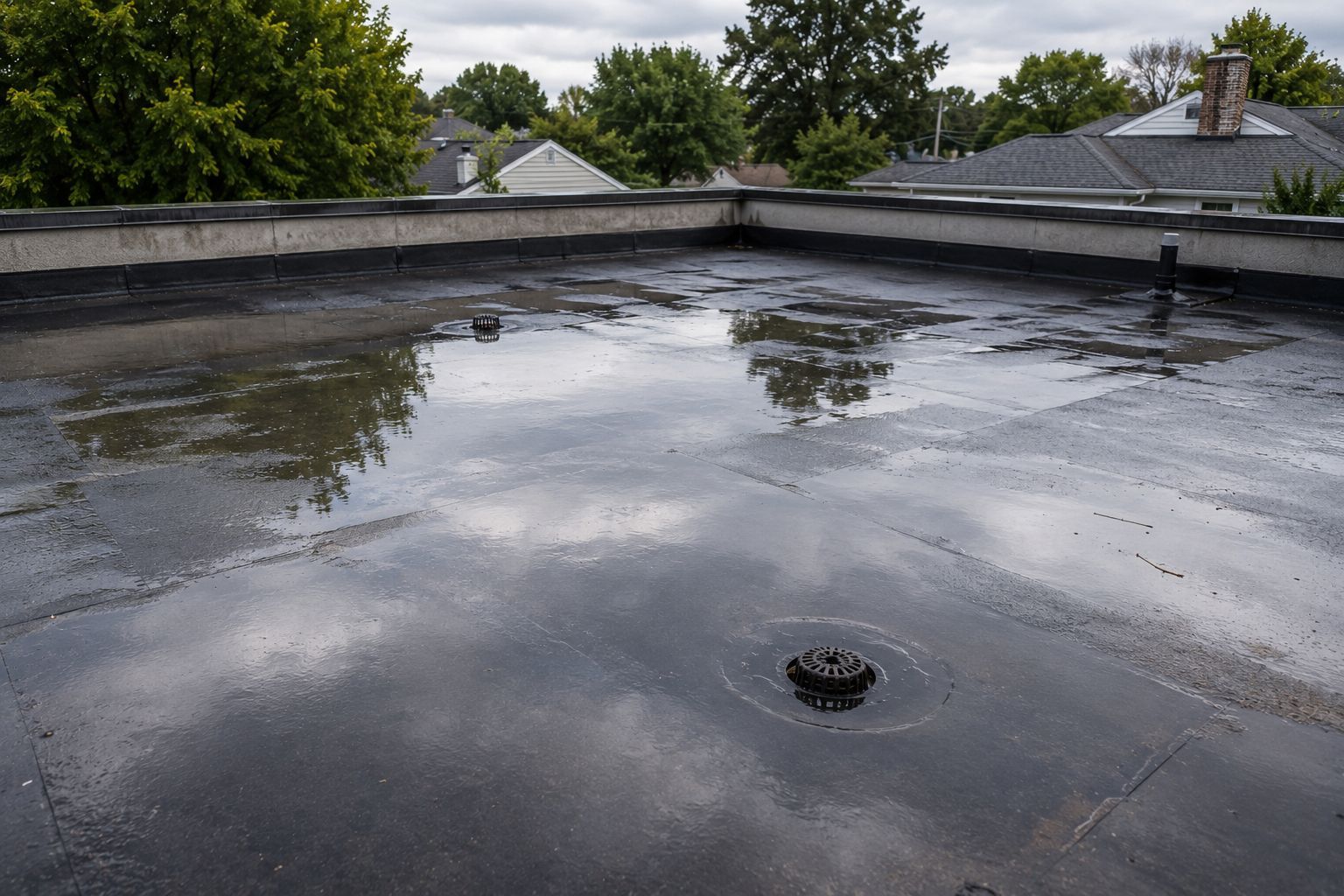
Flat or low-slope roof areas are particularly prone to water pooling. Standing water can accelerate the deterioration of roofing materials, leading to leaks and structural weakness. Even small pools should be addressed quickly. Contractors may recommend improving drainage or replacing damaged sections to ensure proper water flow and prevent long-term damage.
Energy Efficiency Decline and Insulation Issues
Rising Energy Bills
An often-overlooked indicator of roof damage is an unexpected increase in energy costs. A compromised roof can allow heat to escape during winter or enter during summer, forcing HVAC systems to work harder. This inefficiency is frequently caused by damaged insulation or leaks in the roof membrane.
For instance, a roof with minor gaps may allow conditioned air to escape, leading to higher electricity or heating bills. Homeowners experiencing sudden energy spikes should inspect the roof for visible damage or engage professionals to evaluate insulation and roofing integrity.
Attic Temperature Fluctuations
Another sign of a failing roof is irregular attic temperatures. If certain areas of the attic feel unusually hot or cold, it could indicate that ventilation is compromised or that roofing materials are deteriorating. This not only affects energy efficiency but also contributes to moisture accumulation, which can lead to mold and rot. Immediate repairs ensure your home remains comfortable and your energy bills manageable.
Extreme Weather Damage
Post-Storm Inspections
Severe weather events, including hail, heavy rain, and high winds, can significantly damage roofs. Homeowners should always inspect their property following storms, looking for missing shingles, punctures, or debris accumulation. Even minor damage can escalate if left unattended.
For example, hail can cause subtle cracks in shingles that allow water to penetrate. High winds may lift shingles or expose underlayment, increasing vulnerability to leaks. Immediate professional assessment can prevent small issues from becoming costly emergencies.
Tree Damage and Falling Debris
Branches or large debris falling onto the roof can create punctures or structural weaknesses. While it may seem like superficial damage, even minor punctures can lead to leaks over time. Ensuring damaged areas are repaired promptly is essential for maintaining roof integrity and avoiding further interior damage.
Consider Environmental Responsibility
Eco-conscious contractors implement sustainable practices, such as recycling old roofing materials and recommending energy-efficient options. Choosing environmentally responsible solutions reduces waste and may qualify homeowners for tax incentives or rebates. Contractors focused on sustainability demonstrate awareness of industry trends, social responsibility, and long-term homeowner benefits. Integrating green solutions also adds value to your home while minimizing environmental impact, reflecting a professional commitment beyond basic installation services.
Age and Wear Indicators
Roof Age and Material Lifespan
All roofs have a finite lifespan. Asphalt shingles generally last 20–25 years, while metal or tile roofs may endure 40–50 years. If your roof is approaching the end of its expected life, even minor damage can quickly escalate. Age-related wear, such as granule loss, brittleness, and fading, is a clear signal that immediate repairs or partial replacement may be necessary.
Signs of Deterioration
Other age-related indicators include rusted flashing, cracked sealant around vents or chimneys, and warped decking. These signs suggest that the roof’s protective layers are failing, making it more susceptible to leaks and structural damage. Proactive inspection by a professional ensures that repairs are timed correctly, extending roof life and maintaining property value.
Reliable Roofing Team Committed to Exceptional Quality
Timely recognition of roof damage is crucial for protecting your home, maintaining energy efficiency, and preventing costly repairs. From visible shingle damage to water leaks, gutter issues, and the effects of extreme weather, numerous indicators signal the need for immediate action. Roof maintenance is not only about preserving aesthetics—it’s a critical step in ensuring structural integrity, safety, and long-term financial investment in your property. Homeowners who remain vigilant and act promptly are better positioned to mitigate damage and extend the life of their roof. Regular inspections, coupled with professional assessments, can also help identify potential weak points before they turn into emergencies, giving homeowners peace of mind and confidence in the durability of their roof.
Rocco's All Type Roofing
has served Brooklyn, Manhattan, Staten Island, and Queens for over 40
years, providing expert roofing solutions that homeowners trust. With decades of experience, our team specializes in identifying hidden issues, delivering timely repairs, and ensuring roofs withstand New York’s diverse weather conditions. We prioritize quality craftsmanship, use premium materials, and offer solutions tailored to each property’s unique needs. Our commitment to professionalism, thorough inspections, and transparent communication ensures every client receives reliable guidance and durable results. Beyond repairs, we also provide preventative maintenance strategies to extend roof lifespan and protect your investment. When your roof shows signs of damage, Rocco's All Type Roofing
is your trusted partner for prompt, effective repairs, safeguarding your home and giving you lasting peace of mind.