The Cost of Roof Neglect vs. Professional Roof Repairs
A roof is more than just a structural necessity; it serves as the first line of defense against environmental elements, safeguarding homes and businesses from rain, wind, snow, and sun damage. Despite its critical role, roof maintenance is often overlooked until visible problems arise. Many property owners delay inspections and repairs, assuming minor issues can resolve themselves or that repair costs are avoidable. This approach can quickly become costly, as small cracks, leaks, or damaged shingles can escalate into major structural concerns over time. Understanding the financial and structural implications of roof neglect versus timely professional intervention is essential for informed property management.
Investing in
professional roof repairs not only preserves the structural integrity of a building but also enhances long-term cost efficiency. Preventive maintenance and timely repairs can prevent expensive replacements, water damage, and safety hazards, ultimately saving significant sums in the future. Additionally, well-maintained roofs improve energy efficiency and property value, offering benefits beyond immediate repair costs. Evaluating the hidden costs of neglect compared to the measurable advantages of professional roof care provides clarity for homeowners and commercial property managers alike, emphasizing why proactive measures are not just advisable—they are financially prudent and strategically essential.
Understanding Roof Neglect
What Constitutes Roof Neglect
Roof neglect occurs when essential maintenance, inspections, and repairs are postponed or ignored. It includes failing to check for missing shingles, damaged flashing, clogged gutters, or early signs of water intrusion. Over time, exposure to weather and environmental factors without corrective measures weakens the roofing system. Neglect can also involve improper DIY fixes or relying solely on visual inspection without professional assessment.
Consequences of Ignoring Minor Issues
Even minor problems, like a few missing shingles, can escalate into significant damage. Water infiltration may lead to rotting wood, mold growth, and weakened structural support. Leaks often start small but can compromise insulation, ceilings, and interior finishes, triggering costly restoration work. Additionally, neglected roofs are prone to accelerated wear, reducing overall lifespan and necessitating full replacement sooner than expected.
Real-World Example
Consider a property where a small roof leak goes unnoticed for several months. The leak may initially damage only a corner of the attic, but as water spreads, it can ruin ceiling drywall, electrical wiring, and insulation. Repairing these interconnected damages can easily cost thousands of dollars, whereas addressing the leak early with professional repairs would have been far more affordable and less disruptive.
By understanding what constitutes roof neglect and recognizing its potential consequences, property owners gain insight into the urgency of timely roof care. Preventive inspections and repairs ensure structural integrity, reduce unforeseen expenses, and maintain safety standards.
The Financial Impact of Roof Neglect
Direct Costs
The immediate financial consequences of roof neglect often include emergency repair fees and damage control costs. When small issues are left unresolved, emergency interventions can be significantly more expensive than planned maintenance. For instance, a minor shingle replacement might cost a few hundred dollars, but ignoring it can lead to a full roof deck replacement costing several thousand.
Indirect Costs
Indirect costs may not be immediately visible but can accumulate over time. Water damage can lead to higher energy bills as insulation loses efficiency. Mold growth can trigger health hazards and require expensive remediation. Property value may decrease due to visible deterioration or structural issues, impacting resale potential. Insurance premiums may also rise if claims are filed frequently due to avoidable roof damage.
Opportunity Costs
Neglecting roof maintenance can also have opportunity costs. Businesses may face operational downtime from water leaks or damage, while homeowners may need temporary relocation during extensive repairs. These disruptions translate to lost productivity, additional accommodations, and inconvenience—factors often overlooked in initial cost assessments.
Long-Term Consequences
Chronic neglect accelerates roof degradation, ultimately leading to complete replacement. A roof that might last 20 years with regular care may fail in 12–15 years when neglected. This not only increases capital expenditure but also adds logistical challenges, including coordinating contractors and disposing of old materials.
Understanding these financial implications reinforces the importance of preventive action. Investing in professional roof repairs at the first sign of damage minimizes direct, indirect, and long-term costs while protecting property investment.
Advantages of Professional Roof Repairs
Expertise and Accurate Assessment
Professional roof repairs provide precise evaluation of damage, identifying issues that may go unnoticed in casual inspections. Certified roofing professionals utilize specialized tools and knowledge to detect leaks, structural weaknesses, and compromised materials. This level of expertise ensures that repairs address both visible and hidden problems, preventing recurring issues.
Cost Efficiency
While professional repair services involve upfront costs, they offer long-term savings. Prompt repairs prevent damage escalation, reduce emergency expenses, and extend roof lifespan. Furthermore, proper repairs enhance energy efficiency by restoring insulation integrity, potentially lowering heating and cooling costs.
Quality Materials and Workmanship
Professionals have access to high-quality materials and understand the proper installation techniques necessary for durable results. DIY or substandard repairs may appear sufficient initially but often fail under harsh weather conditions. Professional work guarantees compliance with industry standards, warranties, and local building codes, providing peace of mind and protection against future liabilities.
Safety Considerations
Roof work carries inherent risks, including falls, electric hazards, and exposure to harmful substances. Professionals are trained to execute repairs safely, using protective equipment and adherence to safety regulations. Engaging experts mitigates liability and ensures that work is completed efficiently and safely, minimizing property and personal risk.
Enhanced Property Value
A well-maintained roof positively influences property value. Potential buyers and tenants often view roofing condition as a critical factor. Professional repairs maintain aesthetics and functionality, improving marketability and reinforcing the long-term investment value of the property.
Investing in professional roof repairs provides comprehensive benefits—financial, structural, and safety-related—that far outweigh the perceived savings from neglect or inadequate DIY fixes.
Best Practices for Roof Maintenance
Routine Inspections
Regular roof inspections, ideally twice a year and after major storms, identify emerging issues before they escalate. Inspections should include checking shingles, flashing, gutters, ventilation, and roof penetrations. Documenting findings helps track deterioration patterns and informs timely repairs.
Preventive Repairs
Addressing minor damage immediately prevents more significant structural issues. Prompt shingle replacement, sealing leaks, and clearing debris extend roof life and reduce emergency repair costs. Preventive repairs are a strategic investment, minimizing both direct and indirect financial impact.
Gutter and Drainage Maintenance
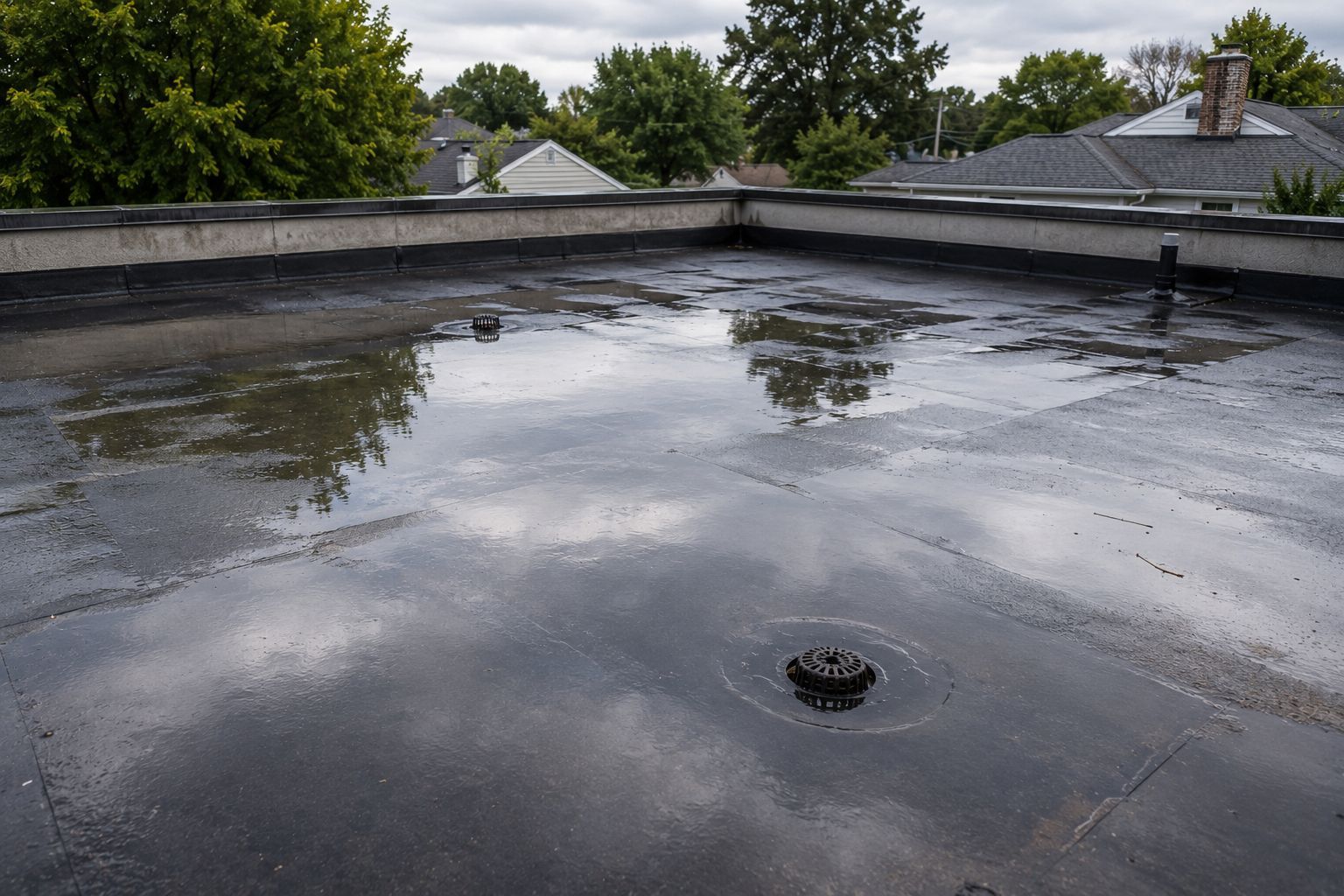
Clogged gutters and improper drainage accelerate roof wear. Water pooling on roof surfaces increases the risk of leaks and structural damage. Regular cleaning and maintenance ensure proper water flow, protecting both the roof and the building’s foundation.
Seasonal Considerations
Weather-related stress significantly affects roof durability. Snow and ice accumulation, intense sun exposure, and heavy rainfall can exacerbate wear. Preparing roofs for seasonal changes—including snow guards, ice-melt treatments, and UV protection—helps mitigate damage and extend service life.
Documentation and Record Keeping
Maintaining a detailed record of inspections, repairs, and upgrades supports proactive roof management. Documentation is essential for warranty claims, insurance purposes, and resale value. Organized records enable informed decision-making and demonstrate diligence in property upkeep.
Implementing these best practices ensures that roofing systems remain structurally sound, financially efficient, and resilient against environmental challenges. Proactive management reduces long-term costs while maximizing the roof’s lifespan.
Case Studies and Real-World Insights
Residential Scenario
A Brooklyn homeowner delayed roof maintenance for several years, noticing minor shingle wear but assuming the issue was cosmetic. Heavy rainfall eventually exposed water damage in the attic, leading to mold growth, insulation failure, and ceiling collapse in one section. Emergency repairs and restoration exceeded $15,000, while early professional intervention would have cost under $2,500.
Commercial Scenario
A Manhattan office building ignored gutter cleaning and minor roof leaks, resulting in water intrusion that damaged electrical systems, disrupted operations, and compromised employee safety. The combined cost of emergency repair, business interruption, and liability concerns reached six figures. Routine professional maintenance and timely repairs would have prevented most of these expenses.
Expert Insight
Roofing experts consistently highlight that prevention is far more cost-effective than reaction. Routine inspections, early intervention, and professional repairs reduce financial risk, enhance safety, and preserve property value. These real-world examples reinforce that neglect not only increases repair costs but can also create cascading problems affecting multiple areas of a property.
Trusted Roof Maintenance Delivering Lasting Performance Results
Roof neglect carries significant financial, structural, and safety risks. Minor issues left unaddressed can escalate into costly emergencies, reducing roof lifespan, compromising building integrity, and impacting energy efficiency and property value. Understanding the hidden costs of neglect emphasizes the importance of timely inspections, preventive maintenance, and professional repairs. Investing in roof care is not merely a matter of preserving aesthetics; it is a strategic decision that protects long-term property investment, reduces operational disruptions, and ensures the safety of occupants.
Rocco's All Type Roofing
in Brooklyn, Manhattan, Staten Island, and Queens, NY, brings 40
years of expertise in professional roofing solutions. With extensive experience in inspection, repair, and maintenance, we deliver reliable, high-quality services tailored to each property’s needs. Committed to safety, durability, and customer satisfaction, we ensure every repair is executed to the highest standards. Trust Rocco's All Type Roofing
for proactive, professional roof care that safeguards investments, extends roof lifespan, and provides peace of mind across New York City.