Flat Roof Seams Splitting or Lifting? Where Leaks Usually Start
Quick Answer: A flat roof seam is the joint where two pieces of membrane overlap and bond together, and it is the weakest line on the whole roof. When a seam starts lifting at the edge, showing a gap, or splitting along its length, water can run under the overlap and travel a long way before it ever shows up as a ceiling stain. Seams open up because of poor bonding at installation, years of heat and freeze cycles, ponding water, foot traffic, or a membrane that has aged and stiffened. A small lifted edge can often be cleaned, primed, and resealed with a cover strip. A seam that has split open or lifted across several feet needs a proper repair before the next heavy rain.
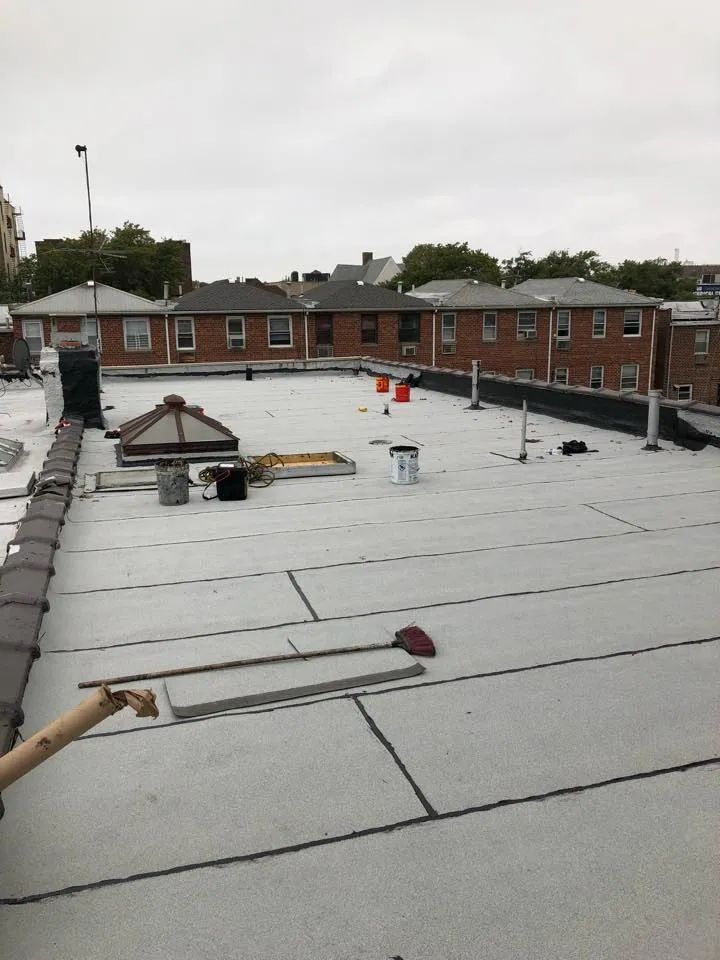
You are standing on your flat roof after a week of rain, and you notice a thin dark line running across the membrane that was not there last season. When you crouch down, you can see that one edge of a seam has curled up just enough to slide a fingernail underneath. Maybe there is a little grit and dried tar caught in the gap. Maybe there is nothing at all, only a faint ridge where the two sheets meet. Downstairs, the ceiling looks fine. But you have a feeling that line is where the trouble starts.
Your instinct is a good one. On a flat roof, the field of the membrane is usually tough and forgiving. The seams are where the roof is joined together by hand, one overlap at a time, and they carry the most risk. Understanding what a healthy seam looks like, and what an unhealthy one is telling you, is the fastest way to catch a leak before it soaks the insulation and the deck.
What a Roof Seam Actually Is
A Seam Is A Bonded Overlap
Flat roof membranes overlap where sheets meet. Roofers bond these overlaps securely, creating watertight joints that must remain intact for decades.
Different Roofs Bond In Different Ways
EPDM uses seam tape or adhesive, modified bitumen uses heat or adhesives, and TPO uses heat welding to create watertight membrane joints.
Seams Are The First Place To Fail
Membranes withstand weather well, but joints depend on workmanship and installation conditions. Consequently, roofers investigating leaks frequently discover problems around seams.
The Early Signs of a Seam Going Bad
Seams rarely fail all at once. They give notice, and most of that notice is visible if you know where to look.
A Lifted Or Fishmouthed Edge
The overlap's top edge curls upward, creating an opening that catches wind and allows water underneath the roofing membrane during storms.
A Hairline Gap Or Dark Line
A thin shadow appears where sheets once joined tightly. Dirt or old sealant inside the gap may indicate weakening adhesion along the seam.
A Seam That Feels Loose Underfoot
Pressing the overlap reveals shifting or sponginess, suggesting the underlying bond has weakened and may no longer provide reliable protection against water.
Wrinkles Running Into A Seam
Wrinkles crossing seams can create hidden voids beneath overlaps. Temperature changes repeatedly flex these areas, gradually weakening the bond and increasing leak risks.
Splitting Along The Length
Seams separating across several inches or feet indicate significant failure. Visible membrane edges pulling apart require prompt professional assessment and repair.
Staining On The Ceiling That Does Not Match The Weather
Ceiling stains appearing days after rainfall or far from visible openings may indicate water entering through seams and traveling along the roof deck.
Why Seams Open Up on Brooklyn and Queens Roofs
A seam that is built well can last for decades. When one fails early, there is almost always a reason, and in New York a few reasons come up again and again.
The Bond Was Never Complete
Poor installation causes early seam failure. Dirty or damp surfaces, rushed sealing, or adhesive drying prematurely can create weak bonds that eventually separate.
Heat And Cold Pull On The Joint Every Day
Daily temperature swings make roofing membranes expand and contract. Weak seams struggle with repeated movement, gradually peeling apart as the materials shift over time.
Water Sits On The Seam
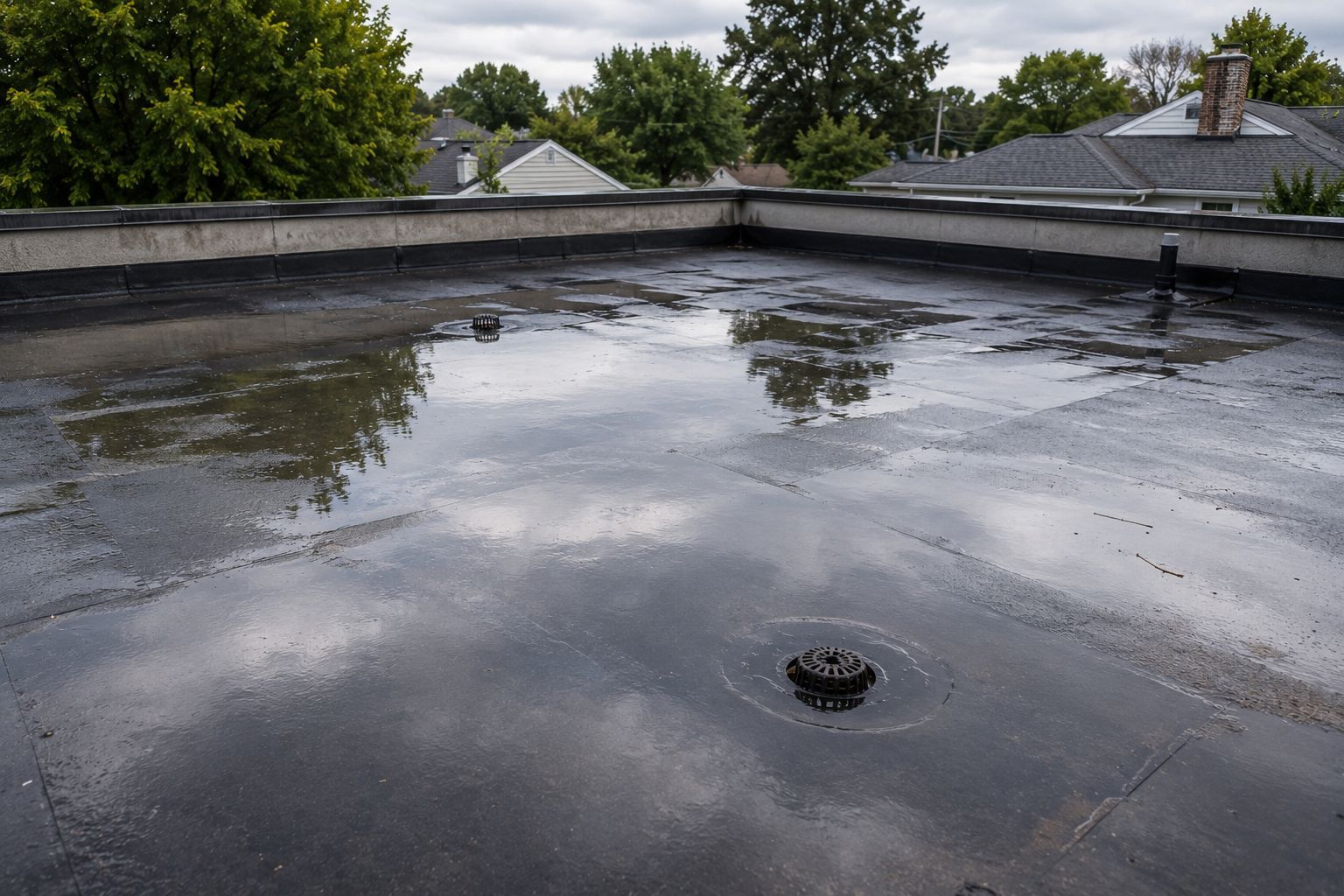
Standing water can weaken adhesives, collect debris, and freeze during winter. Repeated freezing and thawing lifts seam edges and accelerates deterioration in low spots.
Foot Traffic And Rooftop Equipment Wear The Overlap
Repeated foot traffic from maintenance crews damages seams near condensers and exhaust fans. These frequently traveled paths experience more wear than surrounding roof areas.
The Membrane Itself Gets Old And Stiff
Aging membranes gradually lose flexibility, placing greater tension on bonded overlaps. Eventually, seams that once held securely may separate as materials stiffen.
Wind Finds The Loose Edge
Strong winds exploit lifted seam edges, repeatedly pulling them upward. Continued flapping during storms gradually separates the bond and increases the risk of leaks.
Tip: Walk the seams on a dry, mild day and run your hand gently along each overlap, feeling for any edge that lifts, any spot that feels soft, and any gap you can fit a thin card into. Take a photo of anything unusual from the same angle each time you check. A seam that looks the same this fall as it did last spring is behaving very differently from one that has grown.
Why Water Travels Far from the Seam
One of the hardest parts about a seam leak is that the stain on your ceiling is rarely under the seam.
Water Follows The Path Of Least Resistance
Water entering beneath an overlap travels along insulation or decking, sometimes crossing entire rooms before finding joints or fastener holes where it drips inside.
Wet Insulation Holds The Water
Insulation beneath flat roofs absorbs moisture and releases it slowly. Consequently, leaks may continue dripping long after rainfall has stopped and surfaces appear dry.
The Damage Builds Quietly
Small seam openings admit water during every storm. Over time, moisture saturates insulation, softens decking, and rusts fasteners, increasing repair costs significantly.
Winter Makes It Worse
Water beneath seams freezes, expands, and pushes overlaps apart. Thawing allows deeper penetration, turning small autumn gaps into extensive splits by spring.
Seam Problems by Roof Type
The same symptom can mean different things depending on what the roof is made of, and a roofer will approach each one a little differently.
Rubber (EPDM) Seams
Failed seam tape or adhesive often leaves curled edges or loose joints. Shrinkage can also pull EPDM overlaps apart as the membrane contracts.
Modified Bitumen Seams
Torch-applied or adhesive-bonded laps may separate, particularly where multiple roll layers meet. Exposed asphalt, lifted edges, and trapped grit indicate possible failure.
TPO And Other Welded Seams
Properly welded seams form continuous bonds. Incomplete welds, especially where machine welding meets hand welding, can leave channels that allow water inside.
Old Built Up Roofs
On aging tar and gravel roofs, felt-layer overlaps can dry out and separate. Cracked or alligator-like surfaces near joints may indicate deterioration.
When It Is a Small Fix and When It Is Not
Not every lifted edge means a tear off. The right repair depends on how far the seam has gone and what is underneath it.
A Small Lifted Edge On A Dry Roof
When a seam edge lifts slightly on a dry, flexible membrane, professionals can clean, prime, and reseal it with seam tape.
A Seam That Has Split Open For Several Feet
Long splits require lifting loose membrane, inspecting the substrate, and installing a properly bonded cover strip with securely sealed edges.
A Seam Over Wet Insulation
Resealing traps moisture beneath the membrane. Wet insulation must be located and replaced before repairs, otherwise trapped moisture can cause continued damage.
A Seam On An Aged, Brittle Membrane
When membranes become stiff and cracked, isolated patches may shift stress elsewhere. Roofers may recommend coating or replacing the affected section.
Repeated Failures In The Same Area
Recurring seam failures may indicate ponding, wall movement, or persistent wrinkles. Addressing the underlying cause alongside repairs helps prevent repeated openings.
Warning: Do not run a bead of roofing cement or caulk over a lifted seam and call it done. Sealant smeared on top of a loose, dirty overlap does not bond to the membrane underneath, and it often cracks and peels within a season while trapping moisture below it. A seam needs to be cleaned, dried, primed, and properly bonded, not covered over.
How a Roofer Actually Repairs a Flat Roof Seam
A proper seam repair is a short list of careful steps, and skipping any of them is how a repair ends up failing a year later.
Find The Real Extent Of The Problem
Roofers inspect every seam, probe loose overlaps, and check moisture levels to determine how far separation extends and whether insulation is wet.
Cut Back Or Lift The Loose Area
Technicians lift unbonded membrane sections and remove old sealant, grit, and dirt from both overlap surfaces before preparing the joint.
Clean And Prepare Both Surfaces
Both surfaces must be clean and dry. Depending on the material, roofers apply suitable cleaners, primers, or surface preparation before bonding.
Rebond Or Cover The Seam
Roofers restore the overlap using compatible adhesive, tape, or heat welding. A reinforcing strip may cover the joint for added protection.
Roll And Seal The Edges
Technicians roll the repair strip firmly to remove air and ensure contact, then seal exposed edges against water infiltration.
Check The Cause
Roofers address ponding, wrinkles, or parapet movement that contributed to failure, helping prevent the same forces from damaging the repaired seam.
Keeping Seams Healthy Between Visits
A little attention goes a long way, and it does not take much time.
Keep Drains And Scuppers Clear
Clear drains regularly to prevent standing water from weakening roof seams and overlaps.
Look After Hard Winters And Big Storms
Inspect seams after storms, focusing on parapets, corners, and low spots.
Keep Foot Traffic To A Path
Use walkway pads to protect roofing membranes from repeated foot traffic and equipment servicing.
Do Not Wait On A Small Gap
Repair lifted seam edges early to prevent expanding gaps, water intrusion, and costly damage.
Frequently Asked Questions
How do I know if a flat roof seam is failing?
Look for a lifted or curled edge, a gap or dark line along the overlap, a spongy feel underfoot, or an open seam. A ceiling stain often appears some distance away.
Is a lifted seam an emergency?
A small lifted edge is not an emergency, but it is a leak waiting for the next storm. A seam split for several feet, or one over a ceiling stain, needs prompt attention.
Can I fix a lifted flat roof seam myself with roofing cement?
Tempting, but cement on a loose, dirty seam rarely holds. It peels within a season and traps moisture. A lasting repair means cleaning, priming, and bonding with the right material for your roof.
Why do seams fail more often in winter?
Water under an overlap freezes, expands, and pries the seam open, then thaws and runs deeper. Cold also stiffens the membrane, so it pulls harder on its joints. Small gaps become splits.
Do seams fail on new roofs too?
They can. The most common reason is an incomplete bond at installation, such as dirt, dampness, or adhesive that dried before the sheets met. A careful installer checks every seam by hand.
Do I need a new roof if my seams are splitting?
Not always. If the membrane is still flexible and the insulation is dry, seams can usually be repaired. An old, brittle membrane or repeat failures may call for a larger fix.
Catching the Seam Before It Leaks
A flat roof is a lot of material held together by a lot of joints, and the joints are where the weather goes looking. A lifted edge, a thin gap, or a spongy overlap is the roof telling you where it is weakest. Finding that spot early, cleaning it properly, and bonding it the right way is a small job. Letting it go through another winter of freezing, thawing, and wind is how a small job becomes a wet ceiling.
The tricky part is that a seam leak rarely shows up where the water gets in, so reading the overlaps correctly takes someone who traces these failures for a living. Rocco's All Type Roofing
has spent 40
years working flat roofs across Brooklyn, Manhattan, Staten Island, and Queens, NY learning how local heat, ice, and nor’easters pull a seam apart over time. That experience is what turns a thin dark line you noticed after the rain into a repair that holds through the next storm.