Top 4 Reasons Your Commercial Roof is Leaking
Are you facing constant leaks in your commercial roof? Dealing with water damage and roof repairs can be frustrating and costly. But what are the reasons behind your commercial roof leaks? In this article, we will explore the common causes of commercial roof leaks and provide you with valuable insights to identify and address them promptly. From weather-related issues to poor installation or maintenance, understanding the root causes of your commercial roof leaks can help you take proactive measures to prevent further damage and protect your valuable assets.
Weather-Related Causes
One of the primary reasons for commercial roof leaks is weather-related issues. Heavy rain, snow, hail, and high winds can cause damage to your roof, especially if it is aged or not adequately maintained. Over time, exposure to extreme weather conditions can cause shingles to crack, flashing to deteriorate, and water to penetrate the roof's protective layers. Prolonged exposure to UV rays can also cause roof membranes to degrade, resulting in leaks. Understanding the weather patterns in your area and scheduling regular roof inspections can help you identify and address weather-related causes of commercial roof leaks.
Poor Installation or Maintenance
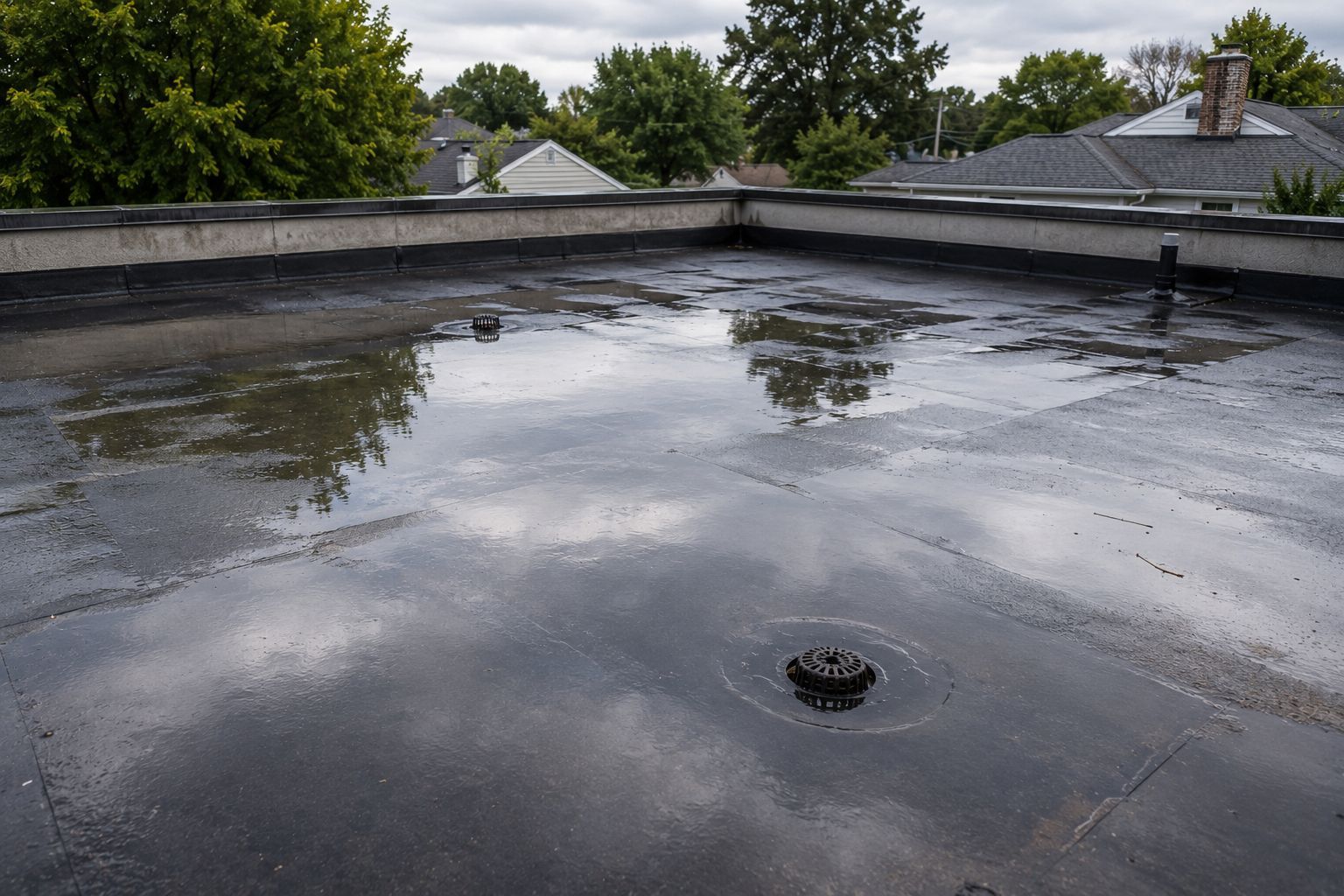
Another significant factor contributing to commercial roof leaks is poor installation or maintenance. If your roof is not installed correctly or lacks proper maintenance, it can be prone to leaks. Improperly sealed seams, loose flashing, or faulty roof vents installation can create vulnerabilities in your roof, allowing water to infiltrate. Similarly, neglecting regular roof inspections, cleaning gutters, and removing debris can lead to clogged drainage systems and water accumulation, leading to leaks. It's crucial to hire experienced and qualified professionals for roof installation and maintenance and follow a regular maintenance schedule to prevent commercial roof leaks.
Roofing Material Degradation
Commercial roofs are typically made of various materials such as shingles, metal, EPDM, TPO, or PVC membranes, which can degrade over time due to exposure to the elements. Shingles can crack or curl, metal roofs can rust, and membranes can develop punctures or tears. This degradation of roofing materials can create gaps, holes, or weak points in your roof, allowing water to seep through and cause leaks. Regular inspections and timely replacement or repair of deteriorated roofing materials are essential to prevent leaks and extend the lifespan of your commercial roof.
HVAC and Equipment Damage
Your commercial roof often houses HVAC units, exhaust fans, and other equipment. If these components are not properly installed, maintained, or operated, they can cause damage to your roof and lead to leaks. Improper installation of HVAC units can result in punctures or tears in the roof membrane, while malfunctioning equipment can generate excess heat or moisture, leading to roof damage. It's crucial to work with qualified contractors for equipment installation and maintenance and ensure that they follow proper protocols to protect your commercial roof from potential leaks.
Conclusion
Commercial roof leaks can be a headache for business owners, but understanding the root causes can help you take proactive measures to prevent them. Weather-related issues, poor installation or maintenance, roofing material degradation, and HVAC and equipment damage are common reasons behind commercial roof leaks. Regular
roof inspections, timely repairs or replacements, and working with qualified professionals can help you maintain a leak-free commercial roof and protect your valuable assets. Don't wait until your roof starts leaking - take action now to ensure the longevity and performance of your commercial roof.