The Benefits of Rubber Roofing: Durable, Affordable, and Eco-Friendly
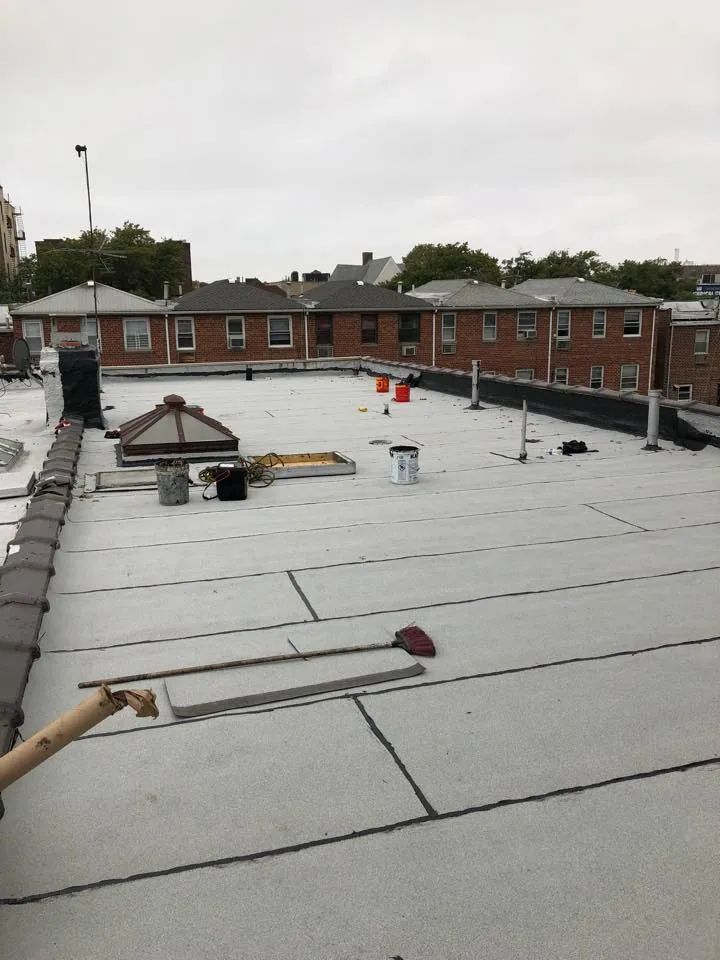
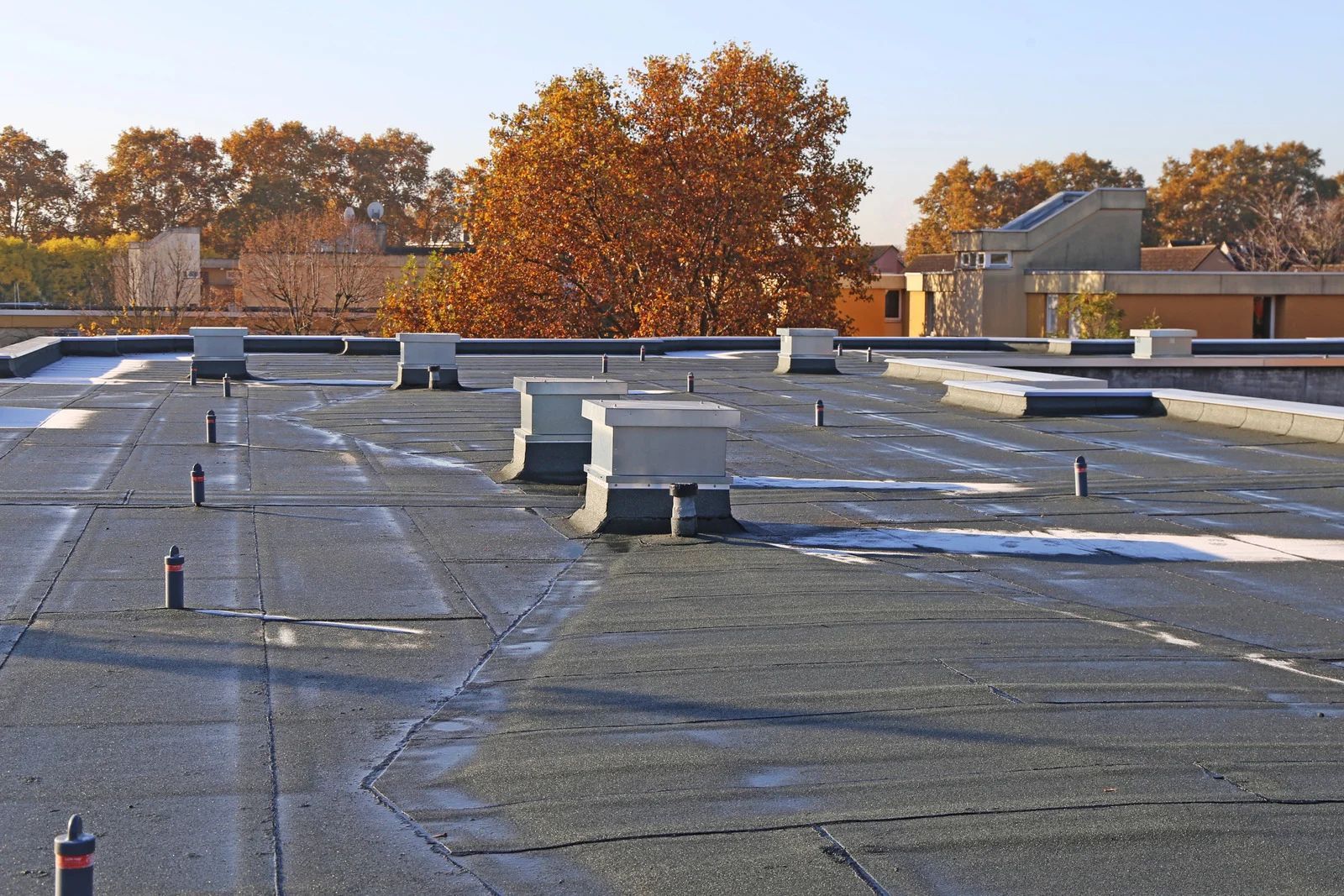
Rubber roofing has become a popular choice for both residential and commercial properties due to its versatility, longevity, and eco-friendly properties. Unlike traditional roofing materials, rubber roofs provide excellent durability, weather resistance, and energy efficiency. Understanding the key advantages of rubber roofing helps homeowners make informed decisions that combine cost-effectiveness, protection, and sustainability for their property.
Exceptional Durability and Weather Resistance
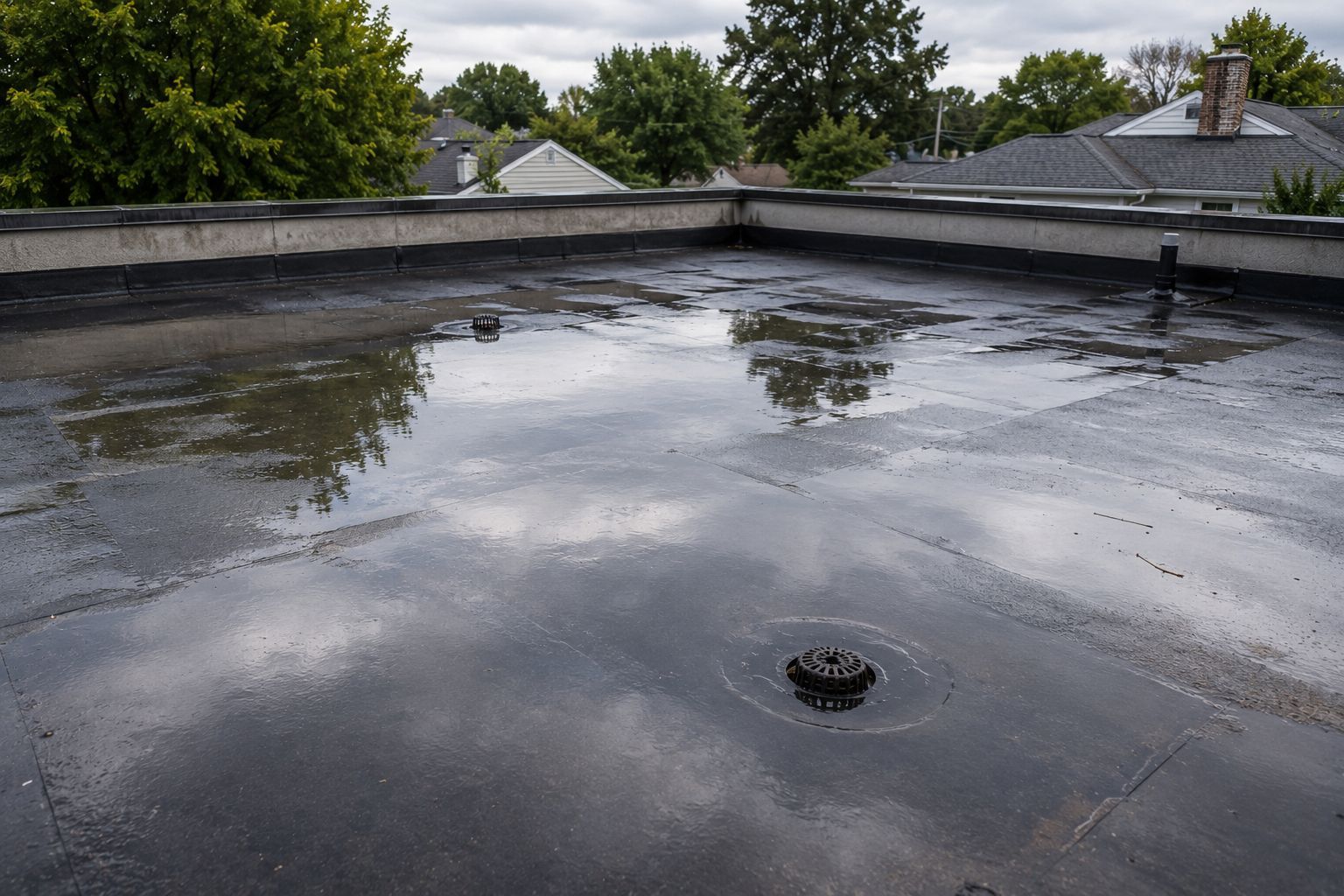
One of the biggest advantages of rubber roofing is its long-lasting durability. Rubber roofs, especially EPDM (ethylene propylene diene monomer) types, can withstand extreme weather conditions, including heavy rain, hail, and intense sunlight. Unlike asphalt or shingle roofs, rubber roofing is resistant to cracking, shrinking, and warping. A professional roofing contractor evaluates the best rubber roofing system for your property to ensure it withstands local climate challenges while maintaining its structural integrity.
Cost-Effective Roofing Solution
Rubber roofing is often more affordable than traditional roofing options, both in terms of initial installation and long-term maintenance. Its longevity means fewer repairs and replacements over the years, saving homeowners significant expenses. Additionally, rubber roofing materials are lightweight, which can reduce labor costs and the need for structural reinforcement. Consulting with a roofing expert ensures you choose a system that maximizes cost-efficiency without compromising quality.
Energy Efficiency and Insulation Benefits
Rubber roofs offer excellent insulation properties, helping maintain consistent indoor temperatures and reducing energy bills. Many rubber roofing systems have reflective coatings that minimize heat absorption, keeping buildings cooler in the summer. This energy efficiency not only lowers utility costs but also contributes to a more sustainable and eco-friendly home. Contractors can recommend rubber roofing options that provide optimal thermal performance for your specific building design.
Eco-Friendly and Sustainable Option
Rubber roofing is made from recycled materials, such as old tires, making it a greener alternative to traditional roofing. Its long lifespan also reduces waste and the need for frequent replacements, further benefiting the environment. Choosing an eco-friendly roofing solution helps homeowners minimize their carbon footprint while maintaining a durable and attractive roof. Professional installers ensure the system is properly installed for maximum longevity and environmental impact.
Low Maintenance Requirements
Rubber roofs require minimal upkeep compared to other roofing materials. Regular inspections and occasional cleaning are usually sufficient to keep the roof in excellent condition. Proper installation by a qualified contractor further reduces the risk of leaks, damage, or other issues, ensuring your rubber roof remains reliable and effective for decades.
Hire an Experienced Roofing Contractor
Installing a rubber roof is a specialized task that requires professional expertise. Roofing contractors ensure the system is properly fitted, sealed, and aligned with your building’s structural requirements. They also guide homeowners in selecting the right type of rubber roofing for durability, energy efficiency, and local climate conditions.
Conclusion
Rubber roofing offers durability, affordability, energy efficiency, and eco-friendly benefits, making it an ideal choice for homeowners and businesses alike.
For trusted rubber roofing and repair services in Brooklyn, Manhattan, Staten Island, Queens, NY, and nearby areas, Rocco's All Type Roofing
provides expert solutions designed for long-lasting performance, efficiency, and style.