Choosing the Best Roofing Material for Your Home
A durable roof protects your home and belongings from harsh weather. Selecting the right material helps maintain both safety and style. However, when it comes to roofing materials, options vary widely in terms of cost, durability, and design, making the decision process important. By understanding available choices, you can select a material that suits your needs and complements your home. This guide covers popular roofing materials and their benefits.
Popular Roofing Materials
Asphalt Shingles
Homeowners often choose asphalt shingles for their affordability and reliability. These shingles suit various climates and provide solid protection. Colors and designs vary, allowing flexibility in matching exterior styles. Regular maintenance increases their lifespan, though they may not last as long as some alternatives.
Metal Roofing
Metal roofing delivers excellent durability and weather resistance. Options like aluminum, steel, and copper provide versatility in style and strength. Lightweight metal panels reflect heat, offering energy efficiency. Although installation costs more upfront, long-term savings make metal a wise investment.
Clay and Concrete Tiles
Clay and concrete tiles offer strength and a distinctive appearance. These materials resist fire and work well in warm climates. While heavier than other choices, their durability and unique look make them appealing. Structural reinforcement may be necessary due to their weight.
Wood Shingles and Shakes
Wood shingles and shakes bring a natural, timeless charm to homes. Commonly made from cedar or redwood, they suit both modern and traditional designs. Proper care prevents decay, extending their lifespan. They work best in regions with mild weather.
Slate Roofing
Slate roofing provides unmatched elegance and longevity. It withstands extreme weather while maintaining its visual appeal. High cost and significant weight are factors to consider before choosing slate. However, its classic appearance makes it a favorite for upscale homes.
EPDM Roofing for Flat Roofs
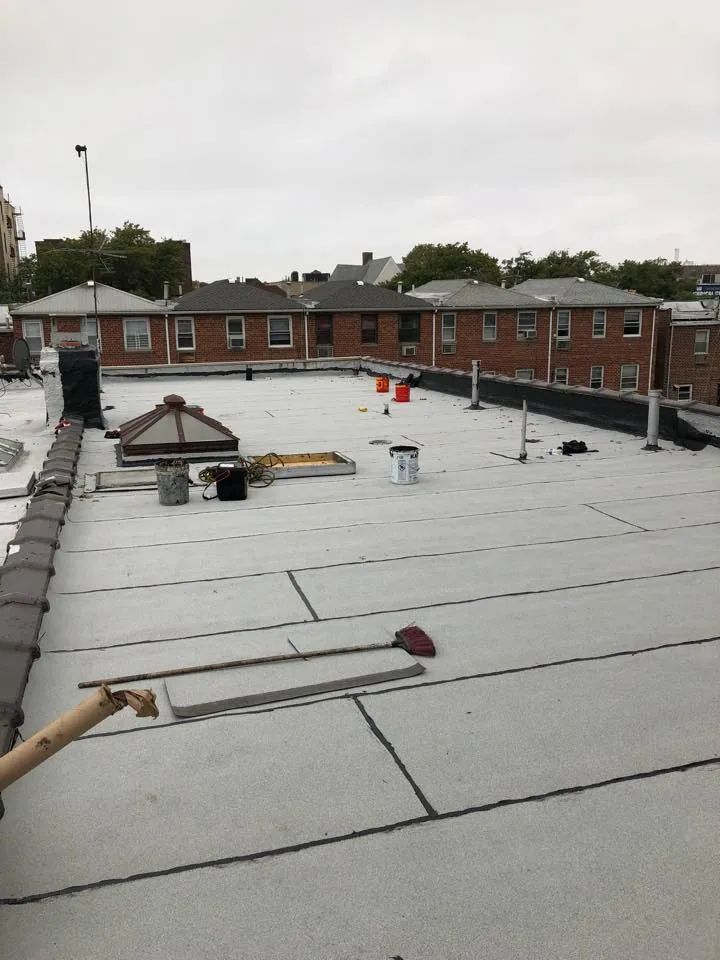
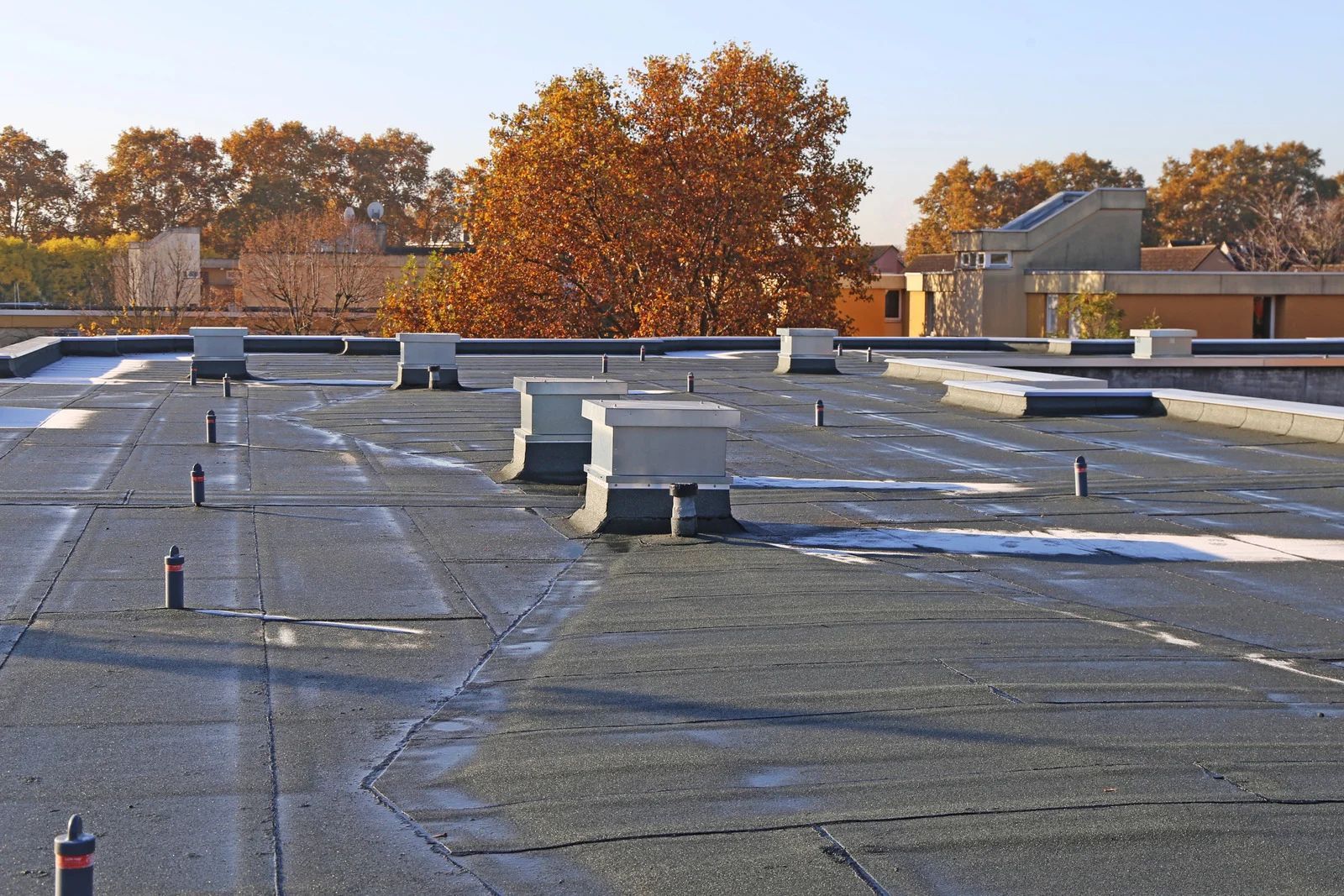
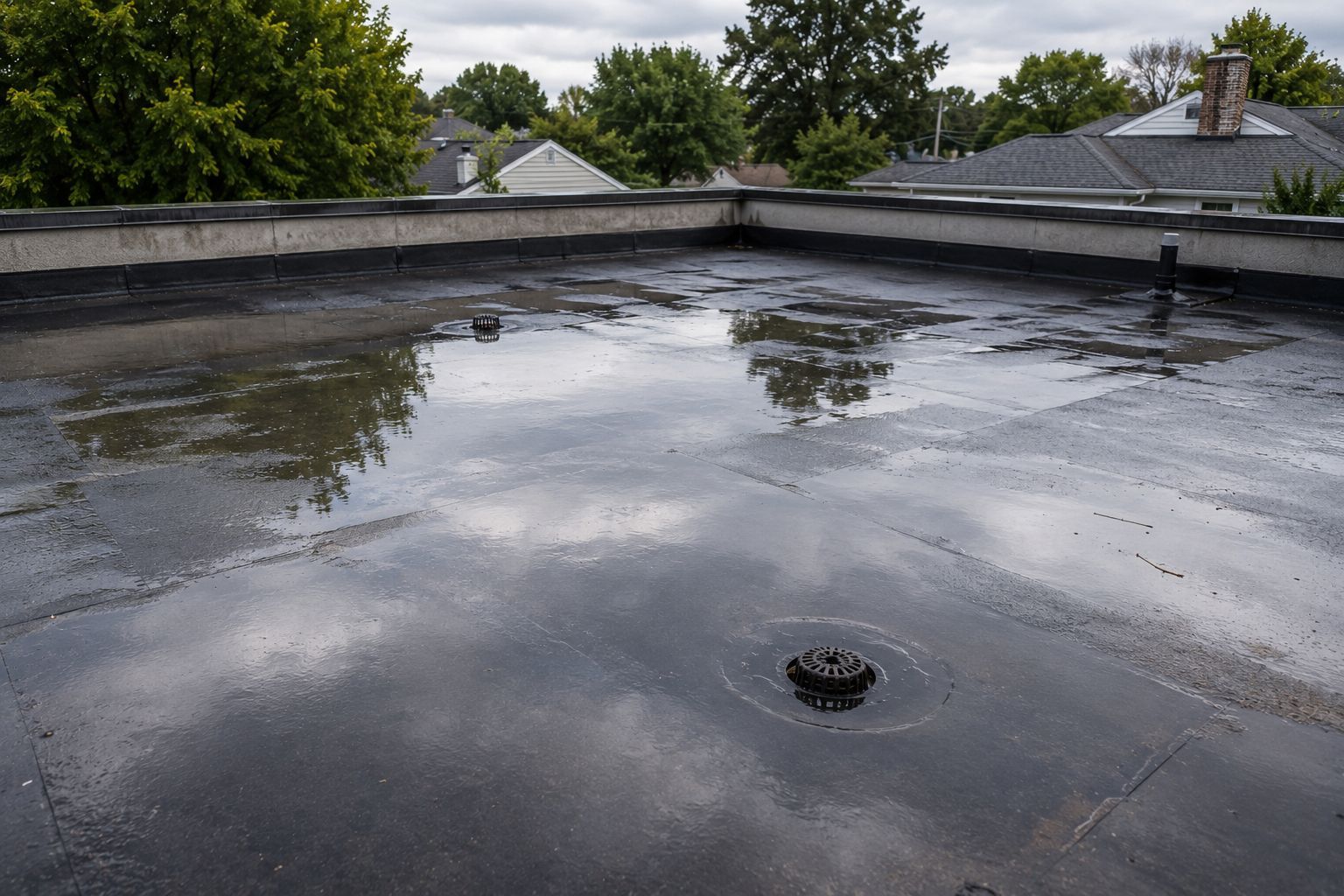
EPDM rubber roofing works well for flat or low-slope roofs. It offers durability and resists UV rays and water damage. Lightweight and easy to install, EPDM lasts around 20–30 years with proper care. Its affordability and performance make it ideal for flat-roofed structures.
Factors to Consider
Climate
Weather plays a key role in roofing choices. Metal roofs handle heavy rain and snow, while clay tiles thrive in hot environments. EPDM suits moderate climates and flat surfaces. You should select a material suited to your local condition for better performance.
Cost
Budget is a major consideration. Asphalt shingles provide cost-effective protection, while slate and metal involve higher initial expenses. EPDM offers an economical solution for flat roofs. It’s important to evaluate installation, maintenance, and replacement costs before making a decision.
Longevity
Different materials last for varying periods. Asphalt shingles remain effective for 20–30 years, while metal and slate can last over five decades. EPDM provides reliable service for flat roofs, typically lasting up to 30 years.
Visual Appeal
Roofing impacts your home’s overall appearance. Styles like wood shakes or slate enhance traditional designs, while metal suits modern aesthetics. EPDM offers a clean, functional look for flat roofs. When choosing a material, try to balance durability with design for the best results.
Selecting roofing material requires careful thought about budget, climate, and appearance. Different options cater to specific needs, offering unique advantages. A well-chosen roof adds value and safeguards your home for years. Investing wisely today provides lasting protection and peace of mind.