Benefits of Rubber Roofing: A Sustainable Solution
Do you require a sustainable solution for your roof? Have you surfed the market but not found the perfect solution? If yes, you’re at the right place! Rubber roofing is one of the most sustainable and common types of roofing compared to other types.
If you're still unsure, let us persuade you with the following five benefits -
#1
Environmental Impact:
Rubber roofing is often made from recycled materials, such as old tires, which would otherwise end up in landfills. By repurposing these materials, rubber roofing helps reduce waste and minimizes the environmental burden of tire disposal. Choosing rubber roofing supports the circular economy by giving new life to discarded rubber products.
#2
Energy Efficiency:
Rubber roofing exhibits excellent energy-saving properties. It has high thermal resistance, so it can effectively insulate your building, reducing heat transfer and minimizing energy consumption for heating and cooling. The insulation provided by rubber roofing helps maintain a comfortable indoor temperature, reducing reliance on HVAC systems and thereby decreasing your carbon footprint.
#3
Durability and Longevity:
Rubber roofing is known for its durability and long lifespan. Unlike traditional roofing materials, such as asphalt shingles, rubber roofs can withstand extreme weather conditions, including heavy rain, hail, and strong winds. This longevity translates to fewer replacements over time, resulting in less waste generation. By choosing rubber roofing, you contribute to the conservation of resources and reduce the need for frequent roof replacements.
#4
Reduced Maintenance:
Rubber roofing requires minimal maintenance compared to other roofing materials. Its elasticity allows it to expand and contract with temperature fluctuations without sustaining damage. It resists UV rays, ozone, and other environmental factors that can degrade traditional roofing materials. The reduced maintenance costs of rubber roofing save both time and money.
#5
Water Management:
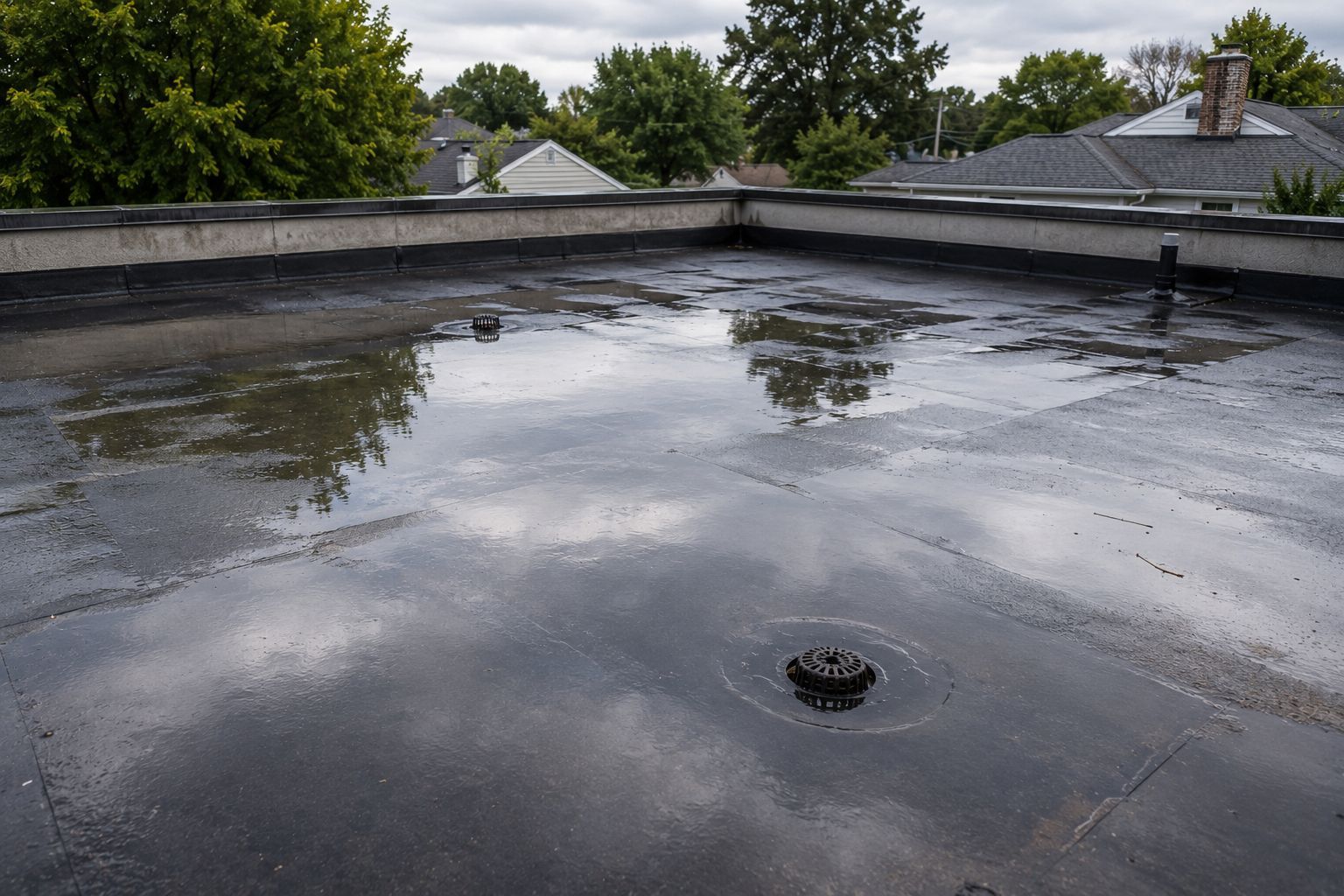
Rubber roofing offers superior water resistance and excellent waterproofing properties. The seamless installation of rubber membranes eliminates potential leak points, ensuring a watertight seal. This helps prevent water damage to the building structure, reducing the risk of mold growth and associated health hazards. By effectively managing water runoff, rubber roofing helps maintain the quality of stormwater runoff, contributing to overall environmental conservation.
#6
Recyclability:
One of the significant advantages of rubber roofing is its recyclability. At the end of its life cycle, rubber roofing materials can be recycled and repurposed into new products. The recycling process for rubber requires less energy and generates fewer emissions compared to the production of virgin materials. By opting for rubber roofing, you actively participate in the sustainable management of resources and reduce the demand for new raw materials.
#7
Noise Reduction:
Rubber roofing protects your building from external elements and acts as a sound barrier. The rubber membrane absorbs sound waves, reducing noise pollution and creating a quieter indoor environment. This is particularly beneficial in urban areas where noise from traffic and other sources can be a nuisance. Rubber roofing makes a more peaceful and sustainable living or working space.
Takeaway
In conclusion,
rubber roofing offers numerous benefits as a sustainable solution for your roofing needs. By opting for rubber roofing, you contribute to waste reduction, conserve resources, and support a greener future. So, when considering your roofing options, consider the sustainable advantages that rubber roofing brings.