7 Signs Your Commercial Roof Needs to be Repaired Immediately
Your commercial roof stays exposed to sun, rain, wind, and dust every day. Over time, it can wear out and cause problems. If you ignore the early signs, the damage can spread fast. Water can leak inside the building, and ceilings can weaken. Repairs may cost more if you delay. Many business owners do not check their roof often. They miss warning signs, and the roof continues to get worse without them noticing. A small crack or loose panel may not look serious, but it can lead to major damage.
You must act fast when you spot any trouble. Quick repairs keep your workplace safe. They also protect stock, equipment, and staff. If you wait too long, the cost may increase. In some cases, you may need to replace the entire roof, which takes more time and money. Read ahead to find out the signs that show your roof needs immediate attention.
1. Water Leaks in the Building
Water dripping from the ceiling means the roof has cracks or holes. Even a small leak can damage walls, paint, and furniture. Water can also enter electrical wires, increasing the risks of short circuits. Fixing leaks early prevents bigger issues.
2. Damp Patches or Stains on Ceilings
Dark spots on ceilings or walls show trapped moisture. Over time, this moisture can weaken the building. You may also notice a musty smell. That means mold has started to grow. In such situations, you must call a roof expert quickly.
3. Sagging Roof Surface
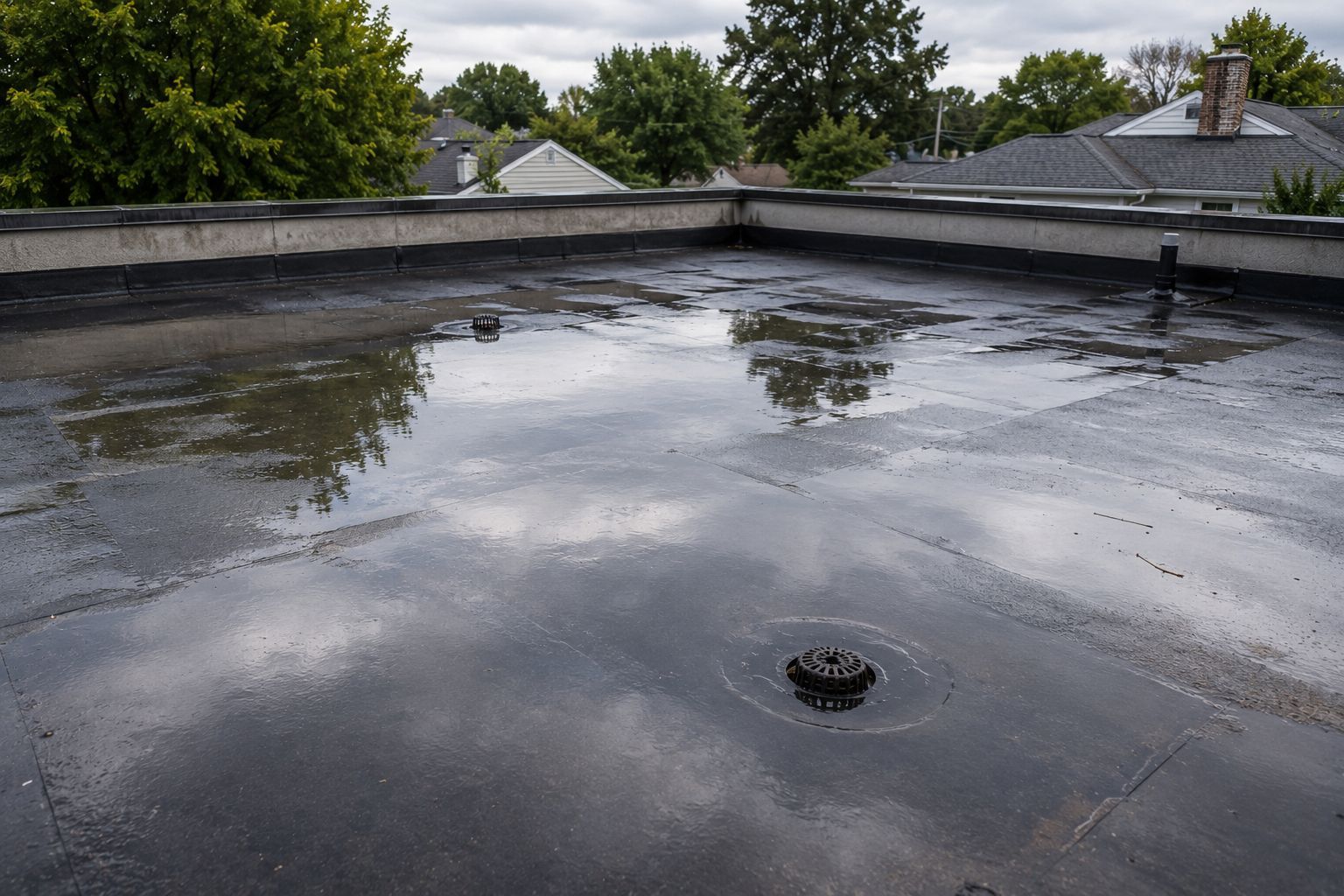
A roof should stay flat and firm, but if you see a dip or sag in the middle, there could be water collected inside. The structure may have weakened. If you ignore this, the roof may collapse.
4. Missing or Loose Roofing Material
Strong winds or rain can remove tiles, sheets, or panels. You may notice gaps or broken parts. If the outer layer breaks, water enters the roof, which leads to rust, mold, and decay. You should consider replacing damaged material without delay.
5. Light Coming Through the Roof
If you notice sunlight entering from above, the roof has openings. These gaps allow dust, insects, and water inside, and also affect insulation. Your building may become too hot or too cold. Sealing the gaps keeps the roof safe.
6. Blisters or Bubbles on the Roof
Bubbles on the roof surface show trapped air or moisture. It happens when water enters below the surface and the layers start to separate. It weakens the roof and invites more damage. If you notice these signs, you should get your roof inspected by experts as soon as possible.
7. Increased Energy Bills
A damaged roof affects your building’s temperature. Cold or warm air escapes through cracks, which puts extra load on your cooling or heating system. If your energy bills suddenly go up, check the roof. Repairing it can save you money in the long run.
Conclusion
Your commercial roof keeps your business safe and shields your building from outside weather. A small issue can grow fast, which is why early repair is always better. At Rocco's All Type Roofing, we have been providing complete commercial roofing solutions for businesses in Brooklyn, Manhattan, Staten Island & Queens NY, and Surrounding Areas for a long time. We use proven methods and high-quality materials for roof repair and replacement work.