5 Common Roof Problems Every Homeowner Should Know
A well-maintained roof is one of the most important structural elements of any home, yet it is also one of the most overlooked. Many homeowners only begin paying attention to their roof when visible damage appears or leaks begin affecting interior spaces. By that point, the problem has often progressed, repairs become more complex, and costs increase significantly. Understanding common roof issues, how they develop, and the early warning signs allows homeowners to act sooner, protect their property, and extend the lifespan of their roofing system. Regular inspections, preventive maintenance, and timely repairs not only minimise long-term expenses but also enhance structural safety and curb appeal. A proactive approach helps homeowners avoid major disruptions, water damage, and unexpected repair emergencies. By staying informed about potential risks, homeowners can ensure their roof remains durable, reliable, and capable of withstanding changing weather conditions.
In today’s housing market, roofing durability, safety, and maintenance standards are more important than ever. From weather-related wear to improper installation practices, several recurring roof problems continue to affect residential properties across regions and climates. This blog explores five of the most common roof problems every homeowner should know, backed by industry insights, best practices, and practical recommendations. The goal is to provide clear, professional, and actionable information that helps homeowners make informed decisions, prevent unnecessary damage, and maintain a safe, structurally sound, and visually appealing home exterior. Whether you own an older property or a newly constructed home, understanding these challenges empowers you to recognise vulnerabilities early. With the right knowledge, homeowners can prioritise maintenance, schedule timely inspections, and invest in long-term roofing performance. Ultimately, informed care not only preserves property value but also strengthens overall home safety and comfort.
1. Roof Leaks and Water Intrusion
Causes of Roof Leaks
Roof leaks are the most widespread roofing problem homeowners face, and they often originate from seemingly minor issues. Common causes include damaged shingles, deteriorated flashing, cracked sealants, poorly sealed chimneys, and aging roof materials. In colder climates, ice dams can trap melting snow, forcing water beneath roofing layers. Over time, even small penetrations can allow moisture to seep into the roof deck and attic, supporting safer, longer-lasting residential roofing systems overall today.
Early Warning Signs to Watch For
Homeowners should regularly check for interior and exterior leak indicators such as:
Brown or yellow ceiling stains
Damp insulation or musty odors in the attic
Peeling paint or bubbling drywall
Visible water trails near skylights or vents
In many real-world cases, a leak begins months before it becomes visible inside the home. Moisture gradually weakens structural materials, leading to mold growth, wood rot, and compromised insulation, ultimately creating higher repair risks for homeowners over time.
Early Warning Signs to Watch For
Routine inspections, especially after storms, are essential. Clearing debris from gutters, maintaining roof flashing, and sealing vulnerable entry points reduce the risk of leaks. Professional maintenance also ensures that hidden problem areas — such as underlayment deterioration and micro-cracks — are identified and repaired before they escalate, helping prevent costly future roof restoration expenses for homeowners.
2. Damaged or Missing Shingles
How Shingle Damage Occurs
Shingles endure continuous exposure to sunlight, wind, rain, and temperature fluctuations. Over time, this exposure leads to cracking, curling, blistering, or complete shingle loss. High winds may lift shingles, breaking their adhesive bond, while UV rays dry out asphalt components, weakening structural integrity. Improper installation can accelerate failure. Nails positioned incorrectly or insufficient sealing can cause premature loosening and blow-offs, increasing long-term vulnerability across exterior roof surfaces significantly.
Risks Associated with Missing Shingles
A missing shingle may appear like a small cosmetic issue, but it exposes the underlying roof deck to moisture. This can result in:
Water penetration and structural weakening
Insulation damage
Increased risk of mold formation
Reduced roof lifespan
In real-world scenarios, a single missing shingle left unattended has often led to extensive roof deck decay, especially in regions with frequent rainfall or coastal humidity, resulting in major structural concerns for homeowners.
Maintenance and Repair Guidance
Homeowners should walk the perimeter of their property after storms and visually inspect roof slopes for lifted, cracked, or missing shingles. Timely replacement is far more cost-effective than large-scale roof restoration. Periodic professional inspections also ensure shingle granule loss, adhesive wear, and surface cracking are detected early, supporting better long-term roof durability overall.
3. Poor Roof Ventilation
Why Roof Ventilation Matters
Proper ventilation allows air to circulate through the attic space, balancing heat and moisture levels. When ventilation is inadequate, heat becomes trapped during warmer months and moisture accumulates in colder seasons. This combination creates significant structural and energy-efficiency challenges, often increasing strain on essential roofing components.
Consequences of Inadequate Ventilation
Common issues resulting from poor ventilation include:
Premature shingle deterioration
Warped roof decking
Excessive attic heat, which strains HVAC systems
Condensation-related mold growth
Ice dam formation in winter climates
For example, homeowners in humid environments often experience attic moisture buildup that leads to fungal growth on rafters and insulation. Left untreated, this can compromise indoor air quality and roof stability, making long-term structural protection far more difficult.
Improving Ventilation Performance
A balanced ventilation system includes intake vents at the soffits and exhaust vents near the ridge. This natural airflow release helps regulate temperature and prevent condensation. Professional roof assessments often include airflow measurement, vent spacing analysis, and attic moisture evaluation to determine whether an upgrade or modification is required, ensuring better long-term attic health overall.
4. Clogged Gutters and Drainage Issues
How Blocked Gutters Affect the Roof
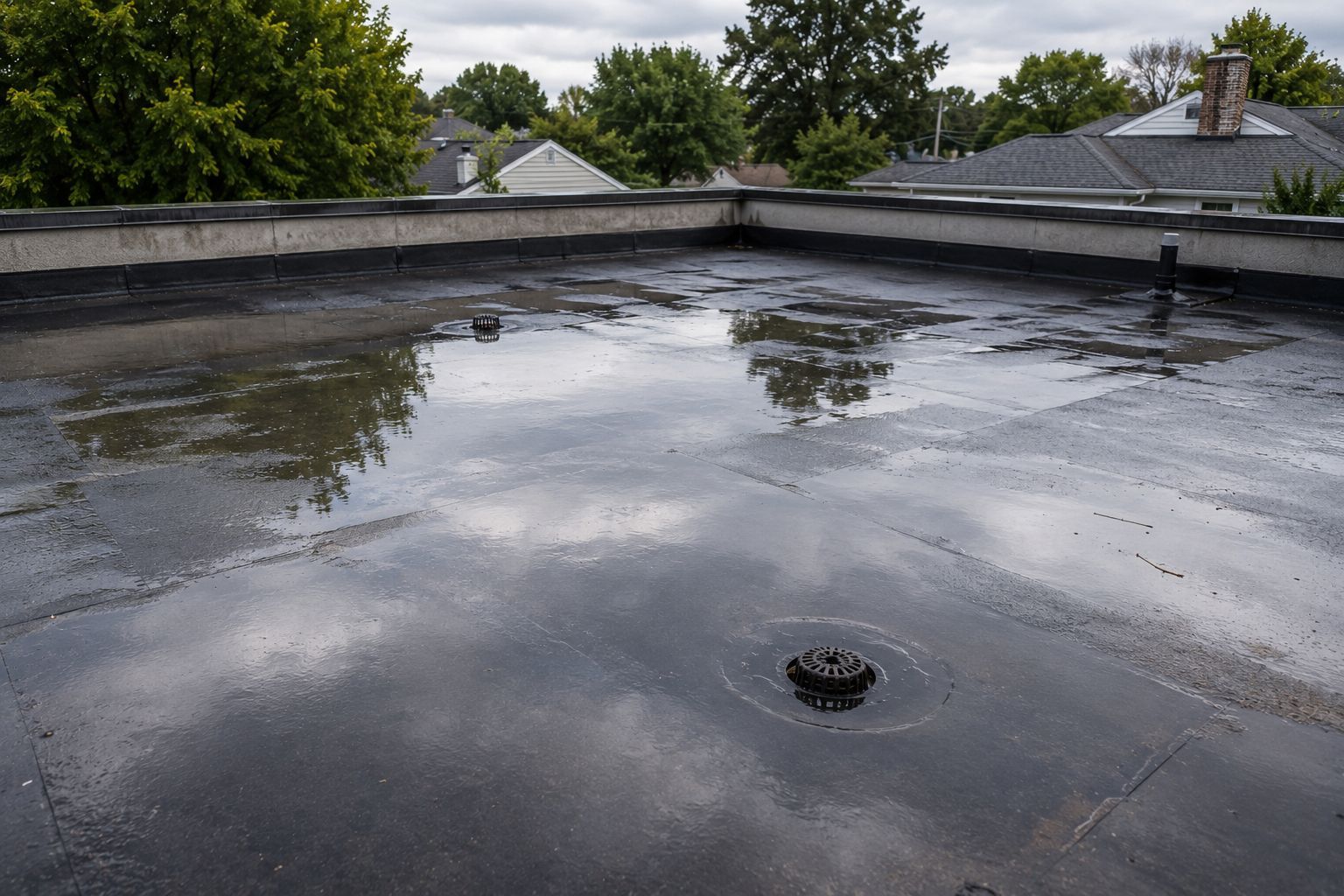
Gutters play a critical role in directing rainwater away from the roof and foundation. When they become clogged with leaves, debris, or ice, water begins to pool along the roofline. This standing moisture seeps beneath shingles and fascia boards, leading to material rot and structural compromise, gradually increasing long-term roof system damage potential.
Real-World Impact on Homes
Long-term gutter neglect commonly results in:
Sagging gutters pulling away from fascia boards
Water overflowing into exterior walls
Foundation cracks due to pooling water near the base of the home
Accelerated shingle and siding deterioration
In many property inspection reports, clogged gutters are directly tied to widespread trim rot and attic leakage — issues that could have been prevented through simple seasonal cleaning, helping homeowners avoid extensive structural repair expenses.
Preventive Care and Maintenance
Gutters should be inspected at least twice per year and more frequently in heavily wooded areas. Installing gutter guards or screens can reduce buildup, while professional maintenance ensures downspouts and drainage channels remain free-flowing. Proper water management not only protects the roof but also preserves the structural integrity of the entire property, supporting safer drainage conditions throughout the home.
5. Flashing Failures and Sealant Deterioration
Understanding the Role of Roof Flashing
Flashing is installed around roof penetrations such as chimneys, skylights, valleys, and vents to create a watertight barrier. When flashing becomes loose, corroded, or improperly sealed, water can easily infiltrate vulnerable joints, increasing long-term moisture exposure across critical roof areas.
Common Causes of Flashing Damage
Typical contributors include:
Temperature-related expansion and contraction
Improper installation techniques
Sealant cracking or shrinkage
Corrosion of metal components
In practice, flashing failures are one of the leading causes of recurring roof leaks because they affect structural transition points rather than open roof surfaces, making early detection especially important for homeowners.
Inspection and Repair Recommendations
Homeowners should ensure flashing is inspected during any routine roof evaluation. Re-sealing or replacing damaged flashing can prevent costly interior repairs and protect structural components. Using durable materials and professional installation methods significantly reduces the likelihood of future failure, helping maintain stronger, more resilient roofing structures overall.
Understanding common roof problems empowers homeowners to take proactive steps toward roof preservation, safety, and long-term performance. Issues such as leaks, shingle damage, poor ventilation, drainage failures, and flashing deterioration often begin subtly but progress rapidly when left unaddressed. Regular inspections, timely repairs, and professional guidance not only extend roof lifespan but also protect property value, interior spaces, and overall structural stability. By recognizing early warning signs and investing in preventive maintenance, homeowners can avoid expensive repairs and ensure their roofing system continues to function reliably for years to come.
Reliable Roof Maintenance Support From Trusted Industry Leaders
With more than 40 years of industry expertise, Rocco's All Type Roofing has built a strong reputation as a trusted roofing specialist serving homeowners across Brooklyn, Manhattan, Staten Island, and Queens, NY. Our team combines deep technical knowledge with hands-on field experience to diagnose roof problems accurately, recommend sustainable repair solutions, and deliver workmanship that reflects superior quality and long-term reliability. Whether a home is experiencing leaks, structural wear, storm-related damage, or general aging concerns, we approach every project with professionalism, transparency, and a commitment to customer safety and satisfaction. Our service philosophy is grounded in thorough inspections, honest assessments, and craftsmanship that adheres to industry best practices and modern roofing standards. Homeowners throughout New York rely on us for dependable guidance, responsive service, and results that protect both their property and peace of mind. When it comes to maintaining, repairing, or enhancing your roofing system, Rocco's All Type Roofing stands as a knowledgeable and experienced partner dedicated to delivering durable, high-quality solutions tailored to every home.