4 Strong Advantages Of EPDM Rubber Roofing For Modern Homes
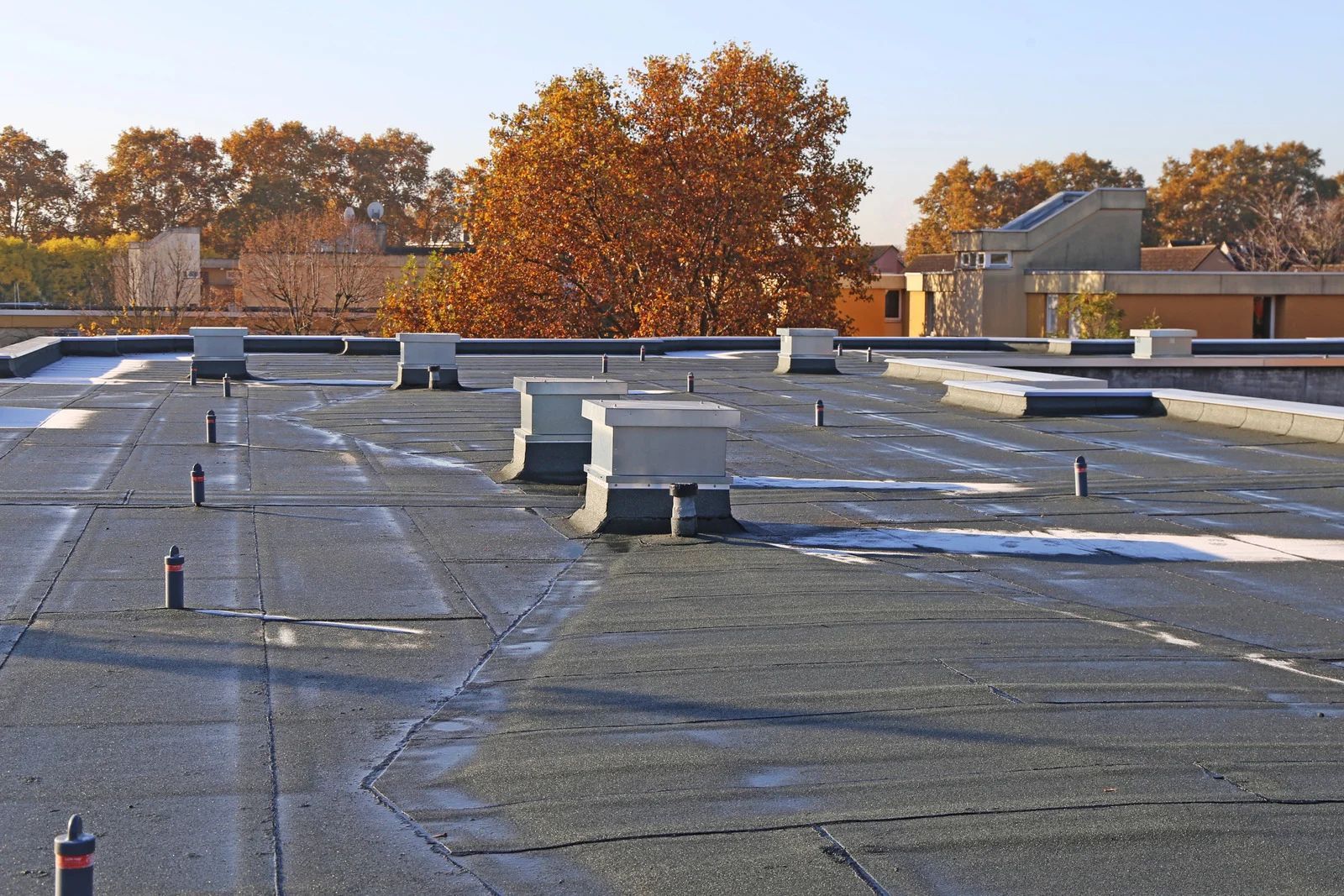
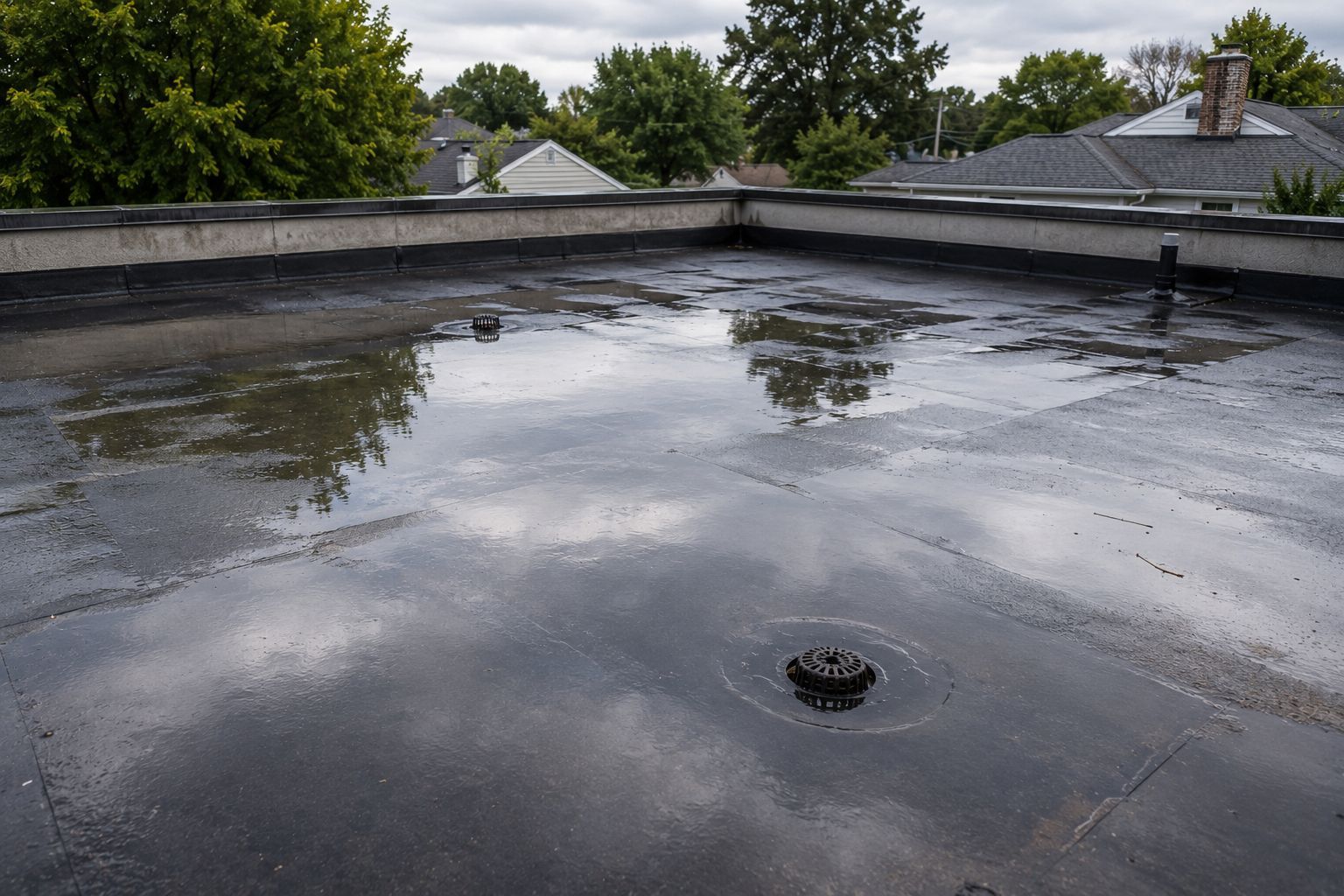
Homeowners often search for roofing solutions that provide strength, long-term value, and weather resistance without frequent repair needs. One popular choice is EPDM rubber roofing, a synthetic material made from Ethylene Propylene Diene Monomer. It fits well on both flat and low-slope roofs and works in regions with varying climates. Many people prefer EPDM because it offers consistent performance throughout the year. It handles heat, snow, and rain without cracking, swelling, or leaking.
Unlike traditional roofing types, EPDM lasts long and stays reliable even after years of exposure. Its rubber surface resists wear and holds up well under daily temperature changes. Homeowners also appreciate that it helps control indoor temperature. This roofing option supports long-term comfort without high costs or stress.
Here are a few major advantages of EPDM rubber roofing:
1. Long Life That Brings Real Value
EPDM roofing provides a durable surface that resists damage for decades. Most EPDM roofs last over 40 years with little maintenance. The rubber material handles temperature swings, UV rays, and heavy rain with ease. It does not split, curl, or wear down easily.
Even during storms or long dry spells, the surface holds strong. As a result, homeowners enjoy peace of mind while avoiding the hassle of frequent repairs. The roof remains dependable, season after season.
2. Lower Maintenance Saves Time and Money
One key advantage of EPDM is how little care it needs after installation. Unlike many other roofing types, it does not require frequent cleaning or sealing. Dust and dirt do not stick easily to its smooth surface. You can check it every few months with simple visual inspections.
Minor issues, such as surface cuts, often need only quick patchwork. This ease of care helps homeowners cut back on service calls and avoid costly roof treatments.
3. Helps Control Energy Use
EPDM can help reduce heating and cooling costs by managing indoor temperatures more efficiently. In cold places, black EPDM absorbs heat from sunlight, keeping the home warmer. In warm areas, white EPDM reflects sunlight and lowers indoor heat buildup.
Both types help reduce the load on heating or cooling systems. As a result, utility bills drop without needing extra devices or changes to the home. This energy-saving benefit adds to the long-term appeal of rubber roofing.
4. Quick and Simple Installation
The lightweight nature of EPDM rubber makes it easier to install than heavier roofing materials. Professionals can roll out large sections and cover the roof without delays. The rubber sheet fits neatly around edges, vents, and corners, which means fewer gaps or weak points.
This smooth setup reduces the risk of leaks or installation errors. Homeowners often see faster project completion and lower labor costs compared to more complex roofing systems.
Contact Rubber Roof Experts Today
For homeowners across Brooklyn, Manhattan, Staten Island, Queens, NY, and nearby areas, Rocco's All Type Roofing
offers strong and reliable
rubber roofing services that make homes safer, more efficient, and easier to maintain for years to come.