3 Powerful Upgrades For Aging Flat Roofs: Here's What You Need To Know
Flat roofs, over time, experience wear from intense sunlight, water exposure, and temperature swings, which can slowly weaken their structure and increase the risk of leaks and energy loss if not addressed at the right stage. Many property owners believe that an aging roof automatically means a full replacement, but there are highly effective alternatives that extend roof life and add value to the building without demanding complete removal.
Instead of spending on a new roofing system, certain proven upgrade options can help reinforce existing materials, reduce damage, and improve long-term performance. These upgrades also allow you to restore function, add protection, and prevent major structural concerns from developing in the future. Upgrading your flat roof not only helps strengthen the surface but also adds energy-saving features that help control indoor temperatures and protect against moisture build-up, mold, and insulation damage.
Let’s now look at three powerful ways to enhance aging flat roofs effectively.
1. Enhance Protection with a Roof Coating System
A roof coating creates a new layer over the current roof, improving the surface and preventing further water entry. These coatings come in silicone, acrylic, or rubber-based forms and create a smooth, sealed finish that blocks rain, reflects sunlight, and reduces indoor temperature gain. A properly installed coating system can last over a decade, making it a smart solution for roofs with minor issues but solid base layers.
When properly maintained, the coating not only seals small cracks and seams but also improves durability and adds thermal resistance without the need to strip the original surface. Reflective options also reduce air conditioning costs during summer months, making them a practical and economical investment for both commercial and residential properties.
2. Improve Drainage with Tapered Insulation Installation
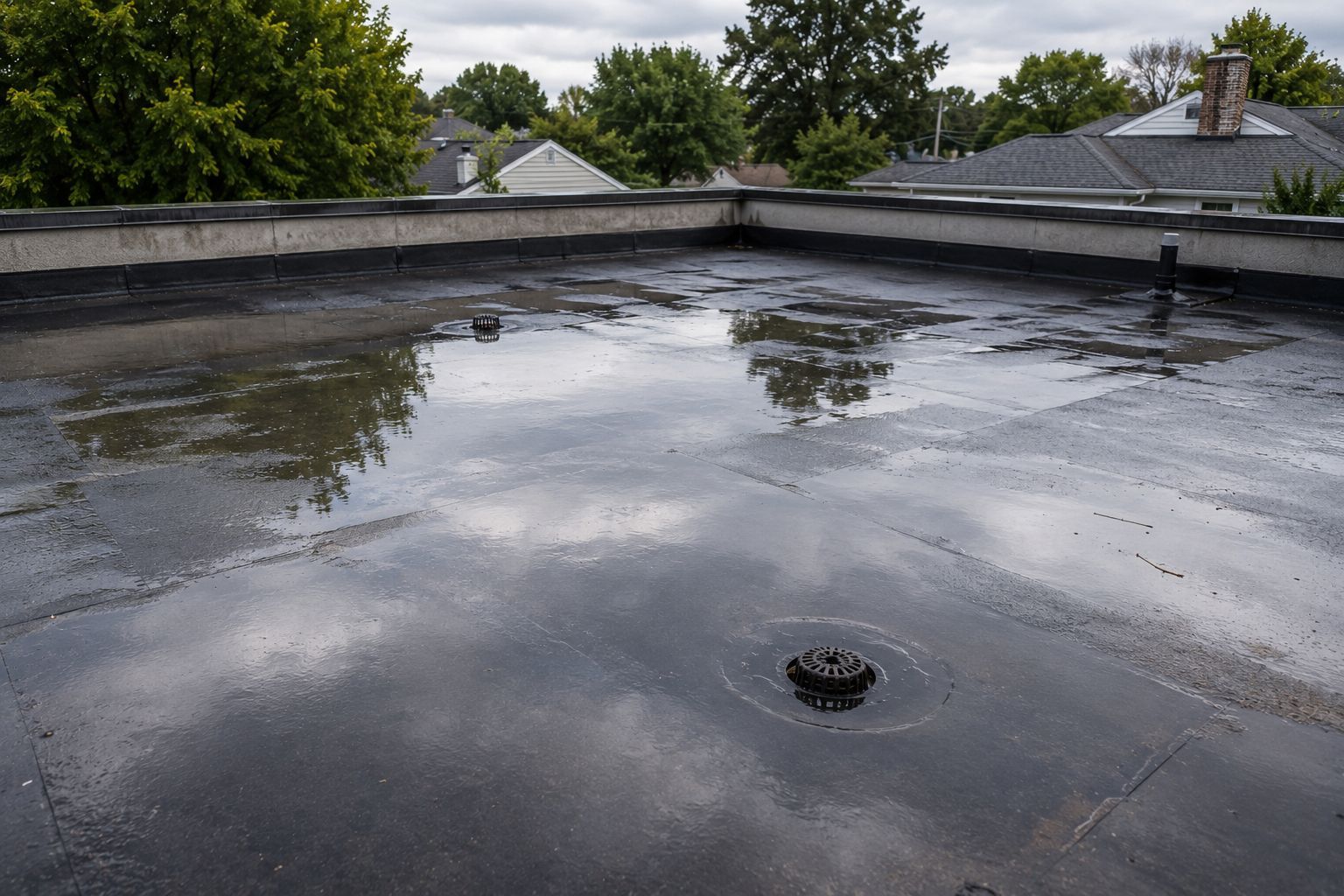
Flat roofs that collect rainwater over time tend to develop pressure points and standing water issues that cause long-term problems, including roof sagging, surface softening, and mold buildup underneath the material. By adding tapered insulation, you introduce a slope that allows water to flow toward drainage points instead of remaining stagnant and creating risk zones across the structure.
This upgrade also increases insulation value, which can help stabilize indoor temperatures during winter and summer seasons alike. Most tapered systems integrate easily with existing roofing materials and don’t require full replacement, which makes them an ideal option for buildings experiencing drainage inefficiencies.
3. Upgrade to a Stronger Single-Ply Membrane System
Some older roofs still use built-up systems with tar and gravel, which have proven durable but eventually become prone to splitting, cracking, and weight-related damage due to prolonged exposure to changing weather. Switching to a single-ply membrane such as TPO, PVC, or EPDM offers improved resistance to water, UV rays, and high wind speeds without adding unnecessary weight to the structure.
These materials come in wide rolls that bond securely at the seams, forming a seamless barrier that helps prevent leaks and structural weakening. Installation involves minimal disruption and often reduces future repair needs, which lowers long-term maintenance expenses.
These upgrades bring new life to older roofing systems, protect your property, and save money over time. Rocco's All Type Roofing
offers
flat roofing upgrades across Brooklyn, Manhattan, Staten Island, Queens NY, and surrounding areas. We work with property owners to help them secure better protection, improved drainage, and longer roof life through expert installation and service.